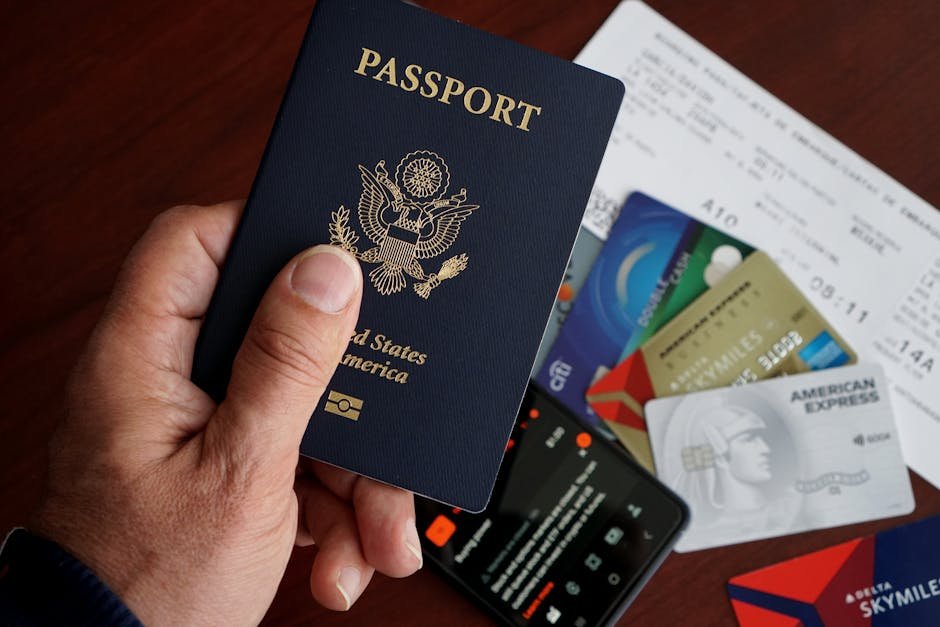
How to Move to the USA in 2025: Your Straight-Up Visa Guide
Dreaming of that West Coast sunshine? Maybe a chill spot in SoCal, but wondering how in the hell to make it happen? You’re not alone. Thousands eye the Golden State. And the trick? Knowing the legal paths. Figuring out how to move to the USA in today’s climate, without getting caught up in risky, outdated advice, is key. Forget the old “wing it” vibe. That just won’t fly anymore. Today, it’s all about smart planning. And truly respecting the rules.
Family-Based Immigration: Keep it in the Family
Got close relatives who are US citizens or already holding a Green Card? Nice. You might be one of the lucky ones. This route is typically about a direct family member – a spouse, parent, child, or even a sibling – applying for you. Simply put.
The catch? Processing times aren’t just long; they’re wildly unpredictable. A spouse of a US citizen might see their paperwork move through in 6 months to a year. But if you’re waiting for a brother or sister to petition you? Prepare for a Marathon. We’re talking up to 15 years, sometimes. Wild, right?
Money proof, medical exams, and a clean slate are all serious requirements for both the applicant and the “beneficiary” (that’s you). So, dot your i’s. And cross your t’s.
Student Visas: Your Springboard to America
Student visas are often undervalued, but they really do offer some crazy flexibility, making them a smart move for many. For starters, you’re not stuck here. School breaks mean you can zip back home. Or explore other countries.
Also, these visas are fully renewable. Start with an English language course? Easily transition to a bachelor’s, master’s, or even a Ph.D. As long as it makes sense for your academic journey, you’re good.
Here’s where it gets interesting: higher education often opens up work chances. Programs like CPT (Curricular Practical Training) and OPT (Optional Practical Training) let you snag paid internships or post-graduation work experience. This? Your big chance to network with companies that might eventually sponsor your work visa.
A crucial heads-up: But unlike some other countries, a US student visa generally doesn’t allow you to work outside these specific academic programs. And yeah, you’ll need to prove you can cover tuition and living expenses for yourself and any dependents. That amount varies a lot. So check with your chosen institution, naturally.
Work Visas: Employer-Sponsored & Self-Petitioned Opportunities
This is the big dream for many looking to put down some real roots. American companies often hire foreign talent due to specialized skills. Or just simply a shortage of qualified local professionals.
Employer-Sponsored Visas: The Lottery and Beyond
- H1B: This is the big kahuna, but it’s a pure lottery. Companies sponsor you. But just 85,000 visas get issued annually through a draw, usually in March-April. Not for the faint of heart.
- EB3: Gaining steam, the EB3 has a wide reach. This isn’t just for highly qualified pros; it can also be for skilled or even unskilled positions in sectors like restaurants, hotels, or general service. Lots of options.
- L1: If you’re a manager or executive working for a company that’s opening or already has a branch in the US, the L1 is your ticket. Simply for transferring internal talent.
For all these, networking is super important. LinkedIn. Indeed. Professional conferences. These are your spots to connect with US employers. Big time.
Self-Petitioning Visas: For the Best in the Game
The US government actively looks for top-tier talent. Because if you’re seriously skilled, you might not even need a sponsor. Imagine that.
- EB1 (Extraordinary Ability): This is for the cream of the crop—athletes, artists, scientists, executives who can prove extraordinary ability in their field. You need to meet at least three criteria. Out of ten. Think superstars.
- EB2 NIW (National Interest Waiver): A bit broader than EB1, this is for professionals with exceptional abilities whose work helps the US nationally. You need to meet at least three out of seven criteria. And throw together a solid case showing how your contributions benefit the American market. Many fields qualify: engineering, IT, law, accounting. The best part? You can petition for this yourself.
Spouses and children under 21 can typically be included in these self-petitioning processes. Which is a sweet deal.
Investment Visas: Buying Your Way In
Got some serious capital? Then investment visas might be your path.
- EB5: This needs a big investment, usually starting around $800,000, into a US company or regional center. It’s a direct route to a Green Card for those with deep pockets. No messing around.
- E2: This option is for citizens of countries with which the US maintains a treaty of commerce and navigation. But it doesn’t lead directly to a Green Card. It can be a smart entry point, though, allowing you to live and run a business here. Right here.
Pitfalls to Avoid: What Not to Do
You’ve heard the old stories, the “come first, figure it out later” tales. Forget them. Seriously.
Things have changed. Sneaking onto undocumented work or overstaying your visa can lead to deportation and a ban from re-entering the country for up to 10 years. Don’t risk it.
And that “have a baby, get citizenship” plan? Yes, the child born here is a citizen. But you, the parent? You don’t automatically get anything until that child turns 21. And then petitions for you—a long, long wait. Seriously long.
And another thing: “marry an American, it’s the easiest way.” If it’s a genuine marriage, absolutely. But if it’s a fraud? The penalties are brutal: deportation, hefty fines, and lengthy bans. It’s not a workaround; it’s a career-ender for future US entry. Forever.
This is a journey with many twists and turns. Don’t go it alone. Get some pro legal help. Seriously. It’s the difference between chasing a dream and getting lost in the shuffle. A huge difference.
Frequently Asked Questions
Can I work in the US on a student visa?
Generally, no, unless participating in specific programs like Curricular Practical Training (CPT) during your degree or Optional Practical Training (OPT) after graduation, which allow for temporary work experience related to your field of study. Outside of these, working is prohibited. No exceptions.
How long does it take for a US citizen to sponsor a sibling for a Green Card?
Because a US citizen sponsoring a sibling can expect a very long processing time, often up to 15 years, due to giant backlogs in this category. Backlogs for days.
Can I get a Green Card if my child is born in the US?
While a child born in the US automatically becomes a US citizen, their parents do not receive immediate immigration benefits. Parents can only be sponsored for a Green Card by their US citizen child after the child turns 21 years old. A long, long wait. No shortcut.