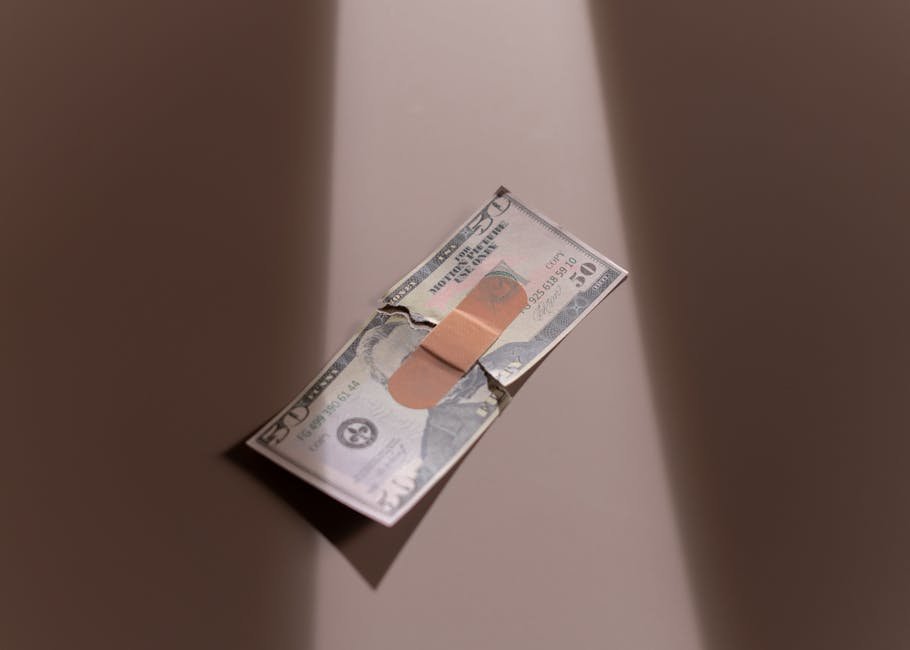
How to Keep California Strong: What Global Mess-Ups Taught Us
Ever wake up feeling like the world’s spinning off its axis? Stock market crashing, gas pumps dry, airports eerily silent? We’ve seen it play out before. Right here in California. Famous for innovation and golden opportunities. The big question isn’t if the next economic shock will hit, nope. It’s when. And if we wanna keep California’s economy strong and resilient, we totally gotta look at history, understand the wild moments, and seriously cool it with some of our not-so-great habits.
We’re talking lessons that just left a mark, from Wall Street’s Black Thursday to those wild global pandemics. But California often feels all about pushing forward, right? Sometimes, looking back is actually the absolute smartest move.
Too Much Debt, Crazy Bets? Hello, Economic Mess!
Think back to the Roaring Twenties. Everyone felt like a genius investor. Folks were, like, taking out mortgages on their homes. Their cars. Even their kids’ college funds! All to chase that stock market’s endless climb, you know? It felt hella good, until it didn’t.
On Black Thursday in 1929, the bubble burst. Billions vanished overnight. Unemployment in the States soared to 25%. Banks shut down. Middle class? Gone. Farmers lost their land. So, yeah, it taught us a seriously brutal lesson: uncontrolled speculation, just too much greed, and being hooked on debt? Total disaster waiting to happen.
Fast forward to 2008. Banks were practically giving away loans. Wrapping up risky mortgages into super complicated financial gizmos. The housing market seemed unstoppable. And then, it wasn’t. The collapse of giants like Lehman Brothers sent shockwaves all over. Financial systems frozen. Millions out of work. Risk management isn’t just a fancy phrase; it’s survival.
Outside Slams: Oil Messes, Money Crashes, and Why Imports Matter to Us
Remember 1973? Big cars. Cheap gas. Industry humming along. Then, seemingly out of nowhere, gas pumps started flashing “Not for Sale.” An oil embargo, triggered by geopolitical conflict, sent prices skyrocketing by 400% in a matter of months.
Gas lines snaked around blocks. Some countries banned driving on Sundays – talk about a buzzkill. Factories stopped. Shelves bare. Economies hit with the worst thing ever: stagflation. Prices up, growth dead. And being super-dependent on energy from other places? That makes any economy weak, especially a huge, lively one like California!
Later, the 1997 Asian Financial Crisis showed us how quickly “hot money” can burn. Western investors poured money into Asian economies. It disappeared fast. Leaving a mess of busted banks and businesses gone belly-up. Global markets are interconnected. What happens across the world can hit our shores, especially if we’re not diversified.
Mix Up Our Energy, Save Some Juice: Key for a Strong Economy and Keeping Us Safe
The ’73 oil shock made it clear: putting all your eggs in one energy basket is a massive gamble. We figured out: having your own energy is just as important as being your own nation. Whoa. Big lesson. So, a rush for other energy happened. And a whole new look at being efficient.
Today, those lessons are more important than ever. Investing in California‘s clean energy stuff – solar, wind, geothermal – that’s not just great for the earth. Oh no. It’s a really smart move for our economy. Less reliance on volatile global oil markets means smoother sailing when the next crisis hits.
Also, making things energy-efficient, everywhere from our houses to factories, totally builds a tougher, steadier economy. It reduces our vulnerability and keeps more money circulating locally.
Keep Money Flows Clear, Keep Banks in Check: No More Wild West Finance
That ’97 Asian crisis and the 2008 financial crash? They screamed one thing: our money systems need seriously grown-up supervision. If “hot money” swoops in and out with no one watching, it just leaves a total mess behind. When banks can hand out loans without accountability, it creates a house of cards.
For California to truly be ready for a recession, we gotta get how all this works. Tighter banking rules, smart risk control plans, and super clear financial checks? Not options. Nope. Essential stuff. Countries that learned from these crises started building up reserves and strengthening their financial defenses. We should too.
Get Our Hospitals Solid, Fix Our Supply Lines: Key for Pandemics and Other Unexpected Disasters
Rewind to 2020. The world, buzzing with new year’s hopes, suddenly slammed into a wall called COVID-19. Weeks later, empty streets. Planes grounded. Whole global economy, flatlining. For the first time, sectors like hospitality and transportation literally stopped. Supply chains snapped.
The crisis hammered home a painful truth: a strong healthcare system isn’t separate from the economy; it is the economy. When people are sick, production halts, and demand freezes. We saw global trade shrink, tourism plummet, and even oil prices turn negative. Who thought you’d ever get paid to take barrels of oil?
So, this crisis really shouted out the need for flexible, home-grown supply lines. And it supercharged digitalization, pushing e-commerce and remote work into the mainstream. Building up our healthcare stuff and making sure supply chains are tough, not flimsy? Yep. That’s a huge part of California’s economic strength and being resilient.
But crises? Oh man, they’re like black swans. Just keep showing up. You can’t predict them, but you can build a sturdier ship. For California, that means everyone needs to get smart about money. Less reliance on outside shocks. Always hunting for chances in the mess. The internet boom happened during the pandemic – that’s some serious lemonade out of lemons.
Got Questions? We Got Answers!
So, why did that 1929 stock market crash anyway?
A dangerous blend, honestly. Way too much borrowing. Seriously unequal income stuff. Wild, uncontrolled betting. Just plain old greed, lots of it. A bunch of people? Mortgaged everything. Everything they owned. To put money in a market that just kept going up. Until it didn’t.
The ’73 oil crisis: What did it do to the whole world’s money?
That crisis, right? It all started with an oil embargo from OPEC countries. Oil prices? They went up by four hundred percent. That led to no gas. Huge lines at the pumps. Factories slowed way down. More people out of a job. And then there was this terrible combo of high prices and no growth. Call it “stagflation.” Not fun.
What did everybody learn from that 2020 COVID mess?
The pandemic just screamed it: how important public health is to having a stable economy. Crazy interconnected, those two. Also, we need supply chains that can bend, not break. And going digital? Total game-changer. It also showed states and banks gotta jump in fast with help when things go sideways out of nowhere.