Getting By in the Kaz Mountains: Charcoal, Bees, and Pure Grit
Ever heard of “jackal’s sleep”? Around the Kaz Mountains, especially when you’re knee-deep in that ancient scramble of Kaz Mountains charcoal making, it means exactly what it sounds like. One eye open. Ear to the ground. You’re never, ever really off duty. This ain’t some cute little hobby; it’s a relentless grind, a super demanding job. Lose focus? Poof. Days of work. All gone.
That Whole Charcoal Thing? Non-Stop Work
Those charcoal ovens, the ones shaped like domes we call kümbets? They need constant watching. Real constant vigil. Some folks? They snag only a couple of hours of sleep. Maybe three whole nights without shutting both eyes. And another thing: if that smoke stops or the oven isn’t tended right, then that whole effort? All of it – just vanishes. Poof. Gone like dust.
Making these stacks of wood? That’s a skill, ancient stuff, passed down for ages. Dry wood goes down first. Then, chunkier timber. But, you know, it’s not just chucking logs around; picking the right wood? Totally vital. The primo charcoal, that good stuff, usually grabs red oak. Big heat-maker, no annoying crackle. Perfect. For hookah charcoal though? Folks here grab broom heather.
The whole thing is pretty tricky: once all the wood’s stacked up, they mix ash and dirt, wet it down, and slap it over pine needles. Creates a tight seal, stops the ground from touching the wood. No dirt on the wood. Just a tiny hole at the top. That’s where you start the fire. And then, it’s a long, slow burn. Just smoldering inside. Anywhere from eight to fifteen days, give or take. Depends on the oven’s size, how wet that wood is. A pure art, truly. Needs patience. And good gut feelings.
Beekeeping Around Here? Killer Honey
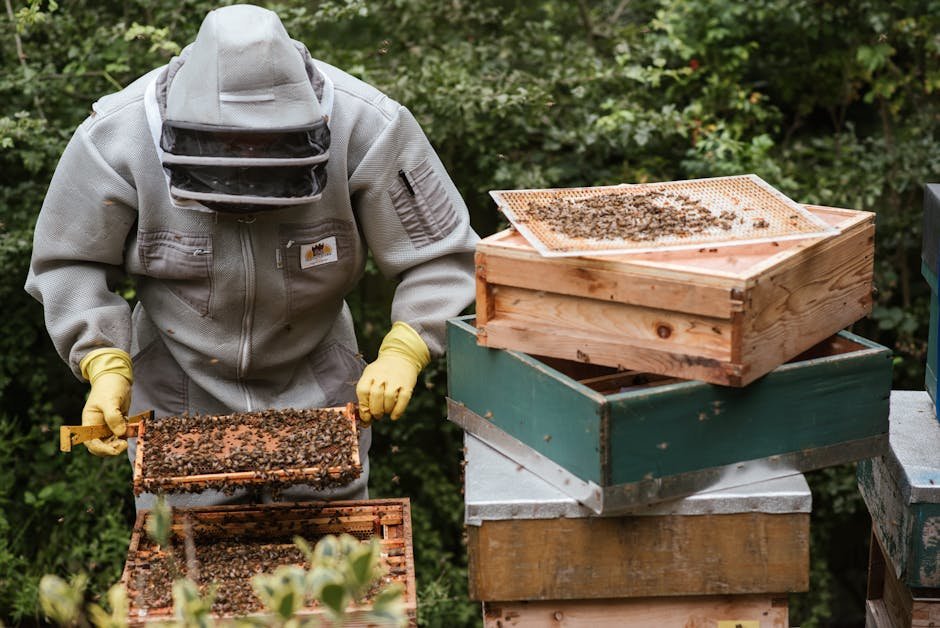
Down in the foothills of the Kaz Mountains, think Çanakkale and Ayvacık, it’s a full-on flower bomb. A blooming paradise. And all that different plant life? Doesn’t just look pretty. It sets up amazing conditions for beekeeping. Locals grab wild thyme. They move their hives to go find fields absolutely loaded with the stuff. Makes that really popular kekik (thyme) honey, you know?
May hits, and spring brings out the tirfil flower. More superb honey. And don’t even get me started on karaçalı (blackthorn) honey – gosh, that stuff is gold. Seriously valuable. But it’s pure vibe. A wild showcase of how truly connected this region is to its ground.
How to Keep Hope When Jobs Are Scarce
Yeah, the region’s full of natural stuff, but regular jobs? Pretty scarce. Not many factories around. No steady paychecks either. In a place like this, that local saying hits home hard: “To work is to exist. To work is hope.” And you know what? It’s a big reminder. Pure purpose and sheer grit keep folks going, even when choices seem super thin.
Bees in Your Car? Happens
Nature just pops up sometimes, right? Happens. Ask any local beekeeper about finding a swarm in the weirdest darn spots – like inside a car’s heater! Wild. A first for most people. But it really shows how badly bees want to find a place to crash, whether that’s a rock crack, a tree trunk, or yep, your car. If you keep bees, and you’ve got your gear handy, these surprise visitors? They get a new hive. Turns a totally odd moment into one cool beekeeping score.
Using the Land: The Smart Way
Look, around here? Nothing gets wasted. Serious. Trees get pruned, right? For feeding the animals. Well, those leftover branches? Don’t just chuck ’em on the compost pile. Nope. They get picked up. All of it. And boom, fuel for charcoal ovens. Makes more money too. This isn’t just being smart; it’s proof of a super deep respect for the land. A cycle that’s been keeping these communities kicking for generations.
Family & Making Stuff: Why We Do It
Usually, behind every local busting their butt, there’s a family, totally supportive. Partners might help out at the charcoal spots, or they find their own ways to pitch in. Maybe crafting up some Amigurumi dolls, brings in a bit more cash for the house. And you know, there’s a deep joy in making stuff, be it rich black charcoal, sweet golden honey, or little handmade toys. That shared feeling of making things, and just seeing folks really dig what you’ve created? Big motivator. It’s a peaceful little pocket of joy in a seriously tough life.
This Charcoal Gig? It Eats Your Time
This job? Not your typical 9-to-5 gig. Charcoal makers often live on-site, twenty-four hours a day. Miss all the big life stuff – weddings, feasts, even family emergencies. And why? Because those ovens, like little kids, need constant, total attention. Leaving them alone? Just no way, especially with any danger lurking.
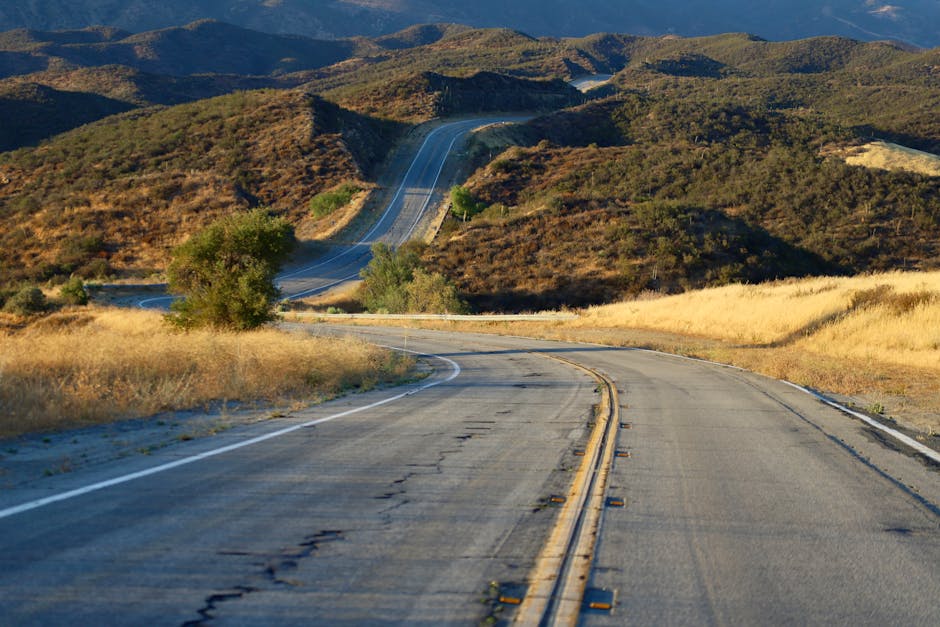
Missing family? Probably the hardest bit. But a radio usually keeps them company. Murmuring news and tunes, a steady sound in those quiet, dark nights. And sometimes, right there on the Assos road, tourists just stop. Pulled in by the smoke. The whole strange setup. They might ooh and aah over a grimy old teapot, totally unaware of how good the tea inside actually is. That charcoal maker’s tea? It’s special. Hits you differently.
Frequently Asked Questions
Q: So, what kind of wood do they use for charcoal in the Kaz Mountains, actually?
A: Red oak (kızıl meşe) for the top-notch stuff. Super hot burn, no messy crackling. For hookah charcoal? Yep, broom heather (pırnal odunu). That’s it.
Q: How long’s this charcoal making take, usually?
A: Anywhere from 8 to 15 days. A slow cook. Just depends on oven size. And how wet that wood is.
Q: What special kinds of honey come from the Kaz Mountains?
A: So many different flowers mean distinct honey tastes. You got the super popular kekik (thyme) honey. Refreshing tirfil flower honey. And, hands down, the really precious karaçalı (blackthorn) honey. Pure goodness.