Ice Age Survival: How We Made It Through the Freakin’ Cold
Think your commute’s rough? Try thousands of years on an icy Earth. We’ve been here, Homo sapiens, for nearly 300,000 years. And lemme tell ya, no sunshine and avocados every day. We saw famines, floods, and seriously cold times that’d make your worst winter feel like a picnic. That Ice Age? It started about 115,000 years ago, stuck around for a crazy 100,000 years. The ultimate test of Ice Age Survival. Other early human types, like Homo Erectus, didn’t make it. So, how’d we pull it off?
Talking: Our Secret Weapon
This is how we pulled away from the crowds. Other hominins just grunted. But we got ourselves some complex, wavy language. Not just for shouting warnings, nah. It was for watching things. Taking it all in. And sharing it. So damn well. We passed useful stuff to our community. To the next generation. No way were those tough lessons getting lost.
Think on this: abstract ideas. Future plans. Moving together, like a practiced crew. None of that happens unless you can really talk. Those old cave paintings, some go way back – 30,000 years. Not just cool art. It’s a textbook, a calendar, a story. Proof our folks knew their seasons. Animal migrations. Bad weather was coming. And they shared that really vital intel. A total game-changer. But… Neanderthals, strong as wild oxen, didn’t quite nail this kind of team thought or jaw flapping. And it stuck ’em in a bad spot.
Fancy Clothes: Keeping Warm in Style
Your fancy puffer jacket? Pffft. Our ancestors? Original style makers. Around 50,000 years back, archeologists dug up needles. Actual needles! So, they weren’t just tossing animal skins over their shoulders. No, they were designing. They were tailoring.
Homo sapiens were stitching up layered duds. Inner, outer, top layers. Using different animal hides. We had actual style, even in the ice. Neanderthals, bless their simple hearts, just wore whatever they could grab or kinda drape. And another thing: our custom-fit clothes gave way better insulation. Super important for staying alive when the weather outside was just a constant, bitter wind.
Smart Hunts & Fire Power
Tools? Everyone had ’em, sure. But we stacked on the brain power. Neanderthals, they liked to get up close and personal with their prey, all brute strength. But Homo sapiens? We innovated. Used spears from far. Hunted in coordinated groups. Not just safer, that. Way more efficient.
Our hunts? Strategic operations, pure and simple. We’d use fire to push animal herds around, right into our traps. And all this while? We were talking, sharing thoughts, changing tactics instantly. This slick team play meant we could grab vital food and supplies. Often beating other species to it. Those few resources, by the way, were a big reason other hominins died off.
Not Just Caves: Building Homes
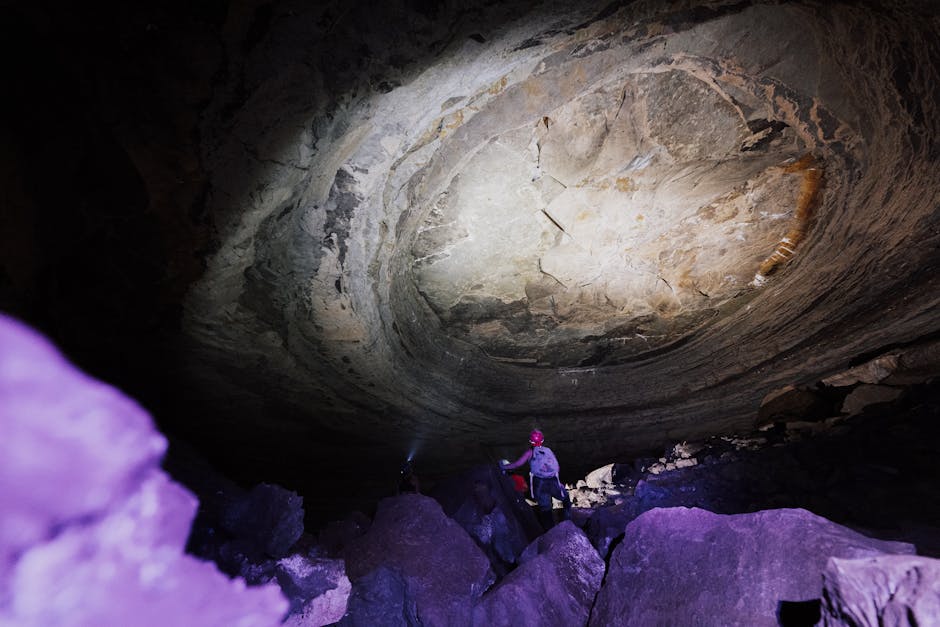
World turned into a giant freezer? A good hangout? Totally essential. Our ancestors found safe spots in deep rock shelters, down in riverbeds and hills. Natural protection. But they didn’t just chill there. They used plants to build makeshift roofs and even put doors on cave entrances. Turning a breezy hole into a cozy hideout.
And because of mastering fire? These shelters became really warm strongholds against the cold. They even built their own cribs. Surprisingly strong structures, made from mammoth bones, carefully lined up and then topped with hides. Necessity! What a driving force. And that heat? That was key for living through those freezing, wind-beaten periods.
Thinking Ahead, Together
Thinking past just right now was critical. Not simply hunting for today’s grub. It was planning for next week. Next month. Even next season. This meant stashing food away. Picking the right tools for tasks down the road. And getting a feel for patterns to guess environmental shifts. This kind of deep thought, mixed with being able to talk about those tricky plans, gave us a massive advantage. We weren’t just barely making it; we were making new stuff and getting ready.
Changing Weather, Big Jumps
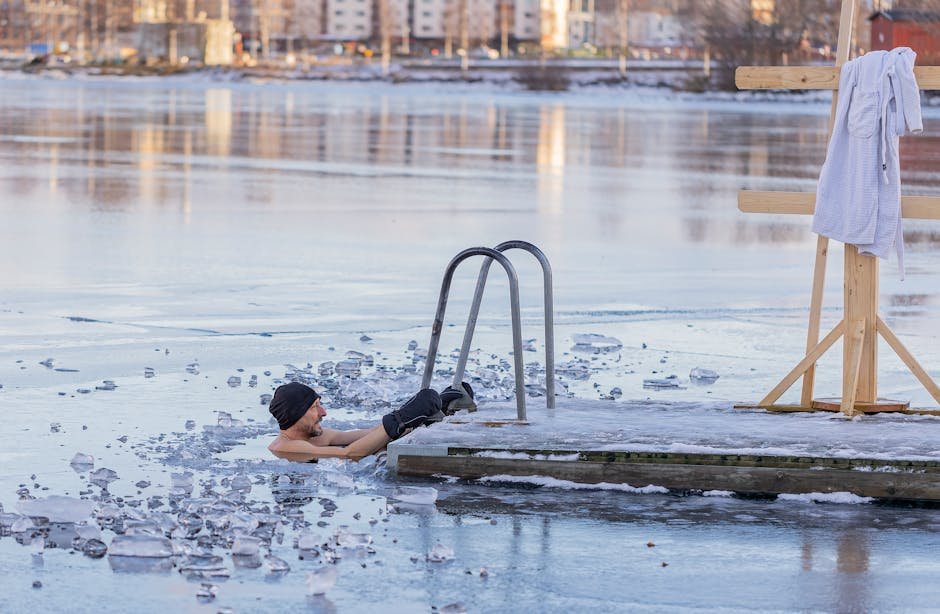
That Ice Age? It wasn’t just chilly. Nah. It completely remade the planet. Over 30% of Earth under glaciers, average temperatures floating around a frosty 7°C. Sea levels? They dropped real fast, water all jammed up in massive ice sheets. North America and huge chunks of Eurasia were buried under ice. And rainfall barely half what it is now. Wild. Our ancestors, who started out in Africa, got a huge head start. Africa gave them a shield, keeping them safe from the sudden, nasty climate changes that messed up people everywhere else. That spot gave Homo sapiens time to get tough and figure out key survival skills before heading out to see the world.
Fighting for Stuff: What Happened to Neanderthals
It wasn’t exactly a friendly block party, back then. As stuff ran low and things got super harsh, the fight for food and shelter ramped up hard. Neanderthals were tough as nails, sure, but their less awesome talking and team hunting skills often left them way behind Homo Sapiens’ clever ways. Some smarty-pants even hint that the sheer grind of finding grub and keeping warm just broke them. Potentially froze to death when it was truly nasty. And another thing: our knack for beating them to scarce food, vital clothing materials, and the best places to crash? That really piled on. A big part of their sad, final fade-out.
We hung on. Not just ’cause we were tough, no. We were smart. We learned to talk. To plan. Innovate. And here’s the kicker: to work together. When people really tap into that power – talking, teaming up, feeling like one – seriously, nothing much can stop us. We adapt. We thrive. And we look to whatever the future throws at us.
Your Burning Questions, Answered
Q: So, how cold was it during the worst part of the Ice Age?
A: The world’s average temp was about 7 degrees Celsius (or 45 degrees Fahrenheit). Chilly.
Q: How was Homo sapiens’ gear different from Neanderthals’?
A: We made tailored, layered clothes using needles. Better warmth, better defense. Neanderthals just wore simpler, loose hides.
Q: Any special place Homo sapiens started out that helped?
A: Yep, our ancestors mostly lived in Africa. That kept them safe from the sudden, nasty climate changes that pretty much hammered other hominin species in colder regions.