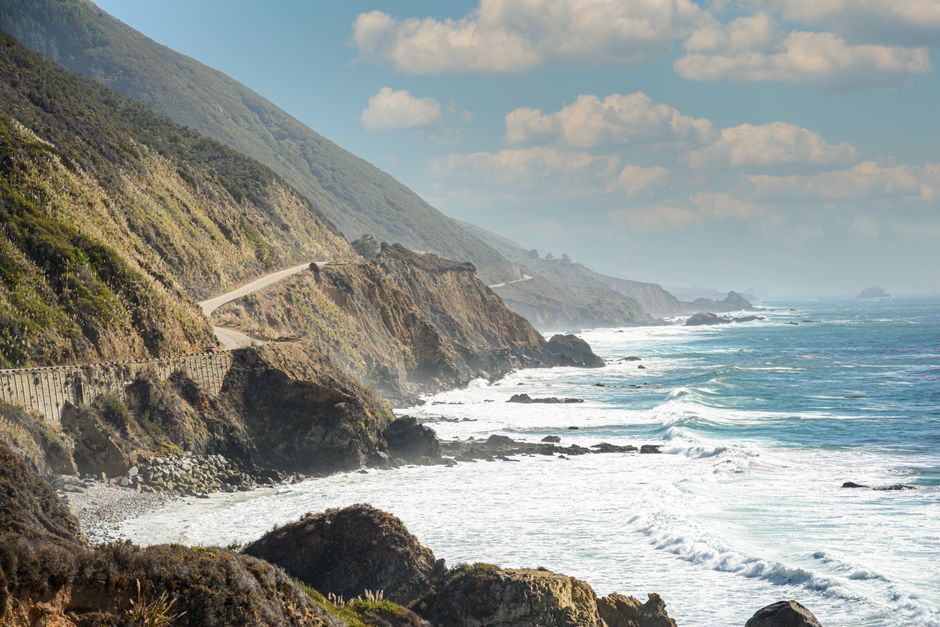
Your Ultimate Guide to a California Coastal Road Trip: Highway 1 Adventures
Thinking about packing up? Hitting the asphalt? Letting the ocean breeze redefine a good time? A California Coastal Road Trip. Pure bliss, right? Just imagine that free-spirited vibe. But hold up. Truly epic journeys—the kind that stick with you—demand some serious strategic thinking. No winging it, boss. Because whether you’re planning for stunning Pacific views or navigating complex historical regions, successful travel means being prepared for anything.
Strategic planning is crucial for a successful California coastal road trip, including optimal timing and flexible itineraries
Forget postcard perfect. Strategic planning is about surviving the unpredictable. Back in the 14th century, you talked alliances, not reservations. After the Ilkhanid state crumbled in the East, various groups like the Eretna and Karakoyunlu scrambled for power. Down south, the Mamluk Sultanate was the real heavyweight. Up north of the Black Sea, the Golden Horde Khanate ran wild. And in the Balkans? A fading Eastern Rome just held on, surrounded by powerful Serbians, Bulgarians, and the massive landlocked Hungary. The Latins controlled the Peloponnese; Venice and Genoa ran trade routes across the Aegean. Understanding these power dynamics was everything. A flexible itinerary wasn’t just handy; it meant survival when facing constantly shifting territories and rivalries. Also, consider those smaller Turkish emirates, like the Karamanids, always looking to expand after the Seljuks.
Identification of must-visit scenic overlooks, state parks, and iconic landmarks along the Pacific Coast Highway
Okay, so maybe “scenic overlook” means something different here. Think fortresses. Cities. Contested coastlines. Corycus Castle—a mighty stronghold. An epicenter of conflict, sure. Not your average chill spot. It resisted attacks repeatedly. Other “landmarks” included key trade centers and strategic ports like Adana, Tarsus, Ayas, Famagusta (Cyprus), and Antalya. These weren’t just places to visit; they were objectives. The Karamanids, focused in Larande, saw coastal strength like Corycus as a serious threat and a big win. Imagine the view from that fortified tower, scanning for approaching fleets, not whales.
Recommendations for charming coastal towns to experience local culture, unique dining, and accommodation options
“Charming coastal towns” in this context often meant key military strongpoints. Adana and Tarsus fell to the Mamluks during Constantine III’s reign. This led to massive Oghuz Turkish migrations into the region. These places definitely had “local culture,” just not the kind you’d find sipping lattes today. When King Peter I of Cyprus offered aid to Corycus, it was a strategic move to get to trade centers like Erzurum, Konya, and Sivas. Accommodation? Likely within stout castle walls. Hoping they held back a 40,000-strong army. Unique dining might have been what you could forage or protect during a siege.
Practical advice on navigating the route, managing road closures, and optimizing travel logistics like car rentals
Forget traffic apps. Navigating this route involved galleys, cavalry, and strategic sea-land assaults. Because when Peter I launched his campaign, he assembled a fleet of 110 vessels, reinforced by knights from Rhodes and Genoa. Serious logistics, that was. Road closures? Often battle lines. When Alâeddin Ali Bey of Karaman organized a massive force, including Beyler of Alanya, Manavgat, and Antalya, Peter I had to move swiftly. His fleet sailed from Famagusta and landed in Antalya in August 1361. City taken. Quick. And another thing: when Peter I went on his European tour to drum up support for a “crusade,” his brothers had to manage affairs at home. Dealing with Mamluk incursions and the plague. Forget car rentals; this was securing naval dominance. And military passages.
Suggestions for engaging outdoor activities such as hiking, surfing, wildlife viewing, and photography opportunities
Engaging outdoor activities? Try surviving a medieval siege. When Corycus was attacked, Karamanid forces stacked up pine and juniper trees. Setting them ablaze to create a ring of fire around the castle. Defenders tried to resist with arrows, but Turkish soldiers moved behind the smoke screen. That’s a different kind of “hiking” on the battlefield, let me tell you. Surfing? More like fighting for your life as blood mixed with the saltwater of the Mediterranean. When Cypriot knights landed under Peter I’s brother, Jean, they faced Mongol and Turkish forces charging down hillsides. A hella fierce struggle to keep a foothold. Wildlife viewing might have been… the opposing army.
Tips for extending the road trip experience by exploring nearby attractions and off-the-beaten-path destinations
Extending the experience meant extending influence. Plain and simple. King Peter I, not content with taking Antalya and fixing up Corycus, envisioned a grand expedition to the Middle East. Specifically targeting Alexandria. So he knew. He knew it was the Mamluks who truly rattled the Turkish beys. And Alexandria was the richest port. His “road trip” across Europe, seeking papal and royal support for three years, aimed to solidify his rule and launch a massive crusade. Even after the unexpected capture and plunder of Alexandria in 1365, the Mamluks became his eternal enemies. Leading to ongoing clashes. Exploring “off-the-beaten-path” destinations often led to bitter new rivalries. Proving that every victory had its cost. The legacy of Corycus, besieged twice and never captured, became a big win for the Karamanids. Even as the Ottomans gained titles of “Ghazi” in the Balkans, the Karamanids kept thinking about Corycus. It wasn’t Alâeddin Ali Bey who finally took it, but one of his descendants. Shows how long some “attractions” stayed on the wish list.
Frequently Asked Questions
Q: Why was Corycus Castle so important in the 14th century?
A: Corycus Castle was a critical coastal stronghold in Cilician Armenia. It served as a connection point for Armenians, surrounded by Turkish emirates. For communicating with Western Christianity and seeking help against Muslim forces. Made it strategically vital for regional control and trade.
Q: Who was King Peter I of Cyprus?
A: Peter I de Lusignan. King of Cyprus. He took the throne after his relatives were invited by the Cilician Armenian religious council in 1342. A proactive leader, he sought to revive the crusading spirit. He strategically got Corycus Castle. And led a big expedition to plunder Alexandria in 1365 to show power and gain wealth.
Q: What role did the Mamluks and Karamanids play in the region?
A: The Mamluks, from the south. Dominant power in the region. Always pressuring Cilician Armenia and Turkish beys. The Karamanids, a powerful Turkish emirate in Anatolia. They frequently raided Armenian territories and tried to take strategic coastal fortresses like Corycus. Often pushed by the Mamluks who just wanted to weaken Cypriot influence.