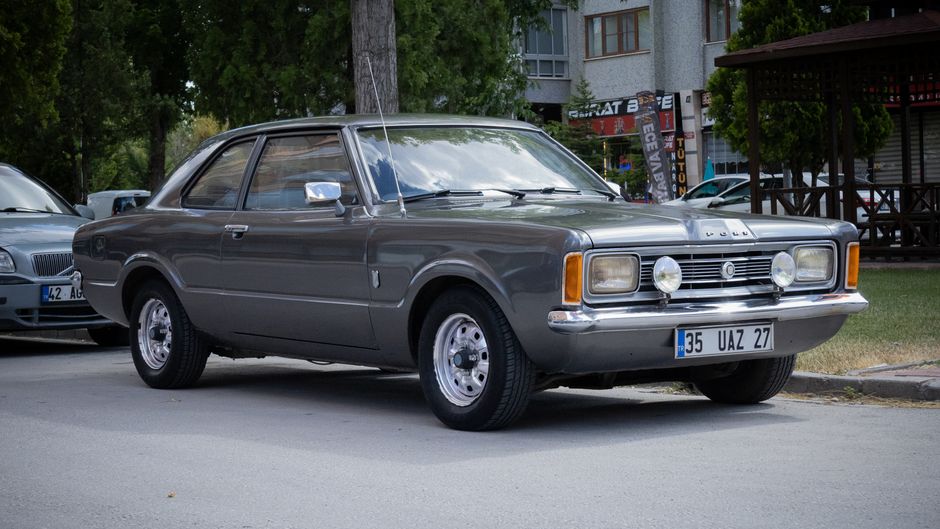
The Anadol Car Story: Turkey’s First Mass-Produced Automobile
Ever think about how a country gets itself going? Not just with big ideas. But with cars on the road? For Turkey, it started with a name everyone knows. A real underdog. Everything changed.
We’re digging into the Anadol Car History. Way more than just some Ford ban rumors. Just a car? Or was it Turkey’s big, bold statement, dreaming of its own ride? Time to look closer.
The Anadol Was Turkey’s Pioneering Mass-Produced Automobile, a Big National Achievement
Back in the 1960s, everyone in Turkey wanted a car. So badly. Koç Holding stepped in, with its smart leader. They started Otosan. First big move for a true Turkish vehicle. Not just a solo act, though. British Reliant joined up. Boom. The Anadol was on its way.
No mere prototype. This car made history. It rolled fast. Turkey’s very first mass-produced automobile. Total game changer. Showed the country could actually build stuff.
Its Innovative Fiberglass Body Cut Costs, Sped Up Production, Despite Folks Being Skeptical
The Anadol’s body? That was the real trick. Not metal. Fiberglass. Super smart move for back then. Costs were cut. Production zoomed ahead. Cars out to people quicker.
But, people always got something to say. Jokes flying around about mice chomping through the fiberglass. Said they were like old haystacks. Pretty skeptical for a while. And another thing: The Anadol just kept going. Proved everyone wrong, mile after mile.
The Anadol Did Everything: Taxis, Police Cars, Pickups, Showing How Flexible It Was
Out on the streets, the Anadol got busy fast. Became super important. It was the taxi. Took tons of people places. Cops used it too. Patrolling around. Plus, it was the first car for thousands of families. Big dream stuff.
So adaptable. Not just passenger cars, either. Its pickup model? Total workhorse. Ran the commercial vehicle scene for ages. Longest-running version, actually. Just showed how practical and popular it was.
The STC-16, Turkey’s First Sports Car, Became a Legend and Collector’s Dream
Amidst all that practical stuff, Anadol got glamorous. The STC-16. Turkey’s first sports car. Looked sleek. Made everyone stare. Different kind of national pride.
Just 176 made. Not just for looks. Raced rallies. Showed its toughness. Now, the STC-16 is a full-blown automotive legend. A holy grail for collectors across the globe.
Anadol’s Production Ended Because of Business Decisions, Not Some Ford Ban
So, why did the dream end? For ages, people said Ford canned Anadol. The real story? Way more complicated. Just market stuff changing. Ford absolutely did NOT shut Anadol down.
Late 1970s, cars were changing. Fast. Buyers wanted modern looks. Safer cars. And, big one: metal bodies. Ford’s own cars, like the Taunus and Escort, had better tech and looks. Way beyond the Anadol. Otosan made a smart move. Signed a bigger deal with Ford. Joining Ford’s global network, that meant way more money down the line.
Anadol just couldn’t hang. New competition was brutal. Pure business decision. Quietly left the lines. Not some big ban. Passenger cars stopped in ’84. Pickups kept going until ’91. Over 90,000 Anadols eventually rolled out. End of a time.
The Anadol Lives On, a Symbol of Turkish Innovation and Its Car-Making Start
Okay, so the Anadol wasn’t flawless. But its impact? Whoa, way beyond just engine stuff. Proved to everyone: “We can do this.” Built serious experience. Paved the road for more cars later. Most of all, it was a dream on wheels. You could actually see it.
Those pickups still kicking around? Those crazy STC-16s collectors chase? Not just old cars, no way. They’re rolling reminders. First big, gutsy step. A sign carved into Turkey’s heart. Daring to innovate. The Anadol is like the first motor of Turkey’s car-making trip. A legacy. Never forgotten.
Frequently Asked Questions
Q: First Turkish car, really?
A: Yep, Turkey’s first mass-produced one. Huge national deal for making stuff here.
Q: Fiberglass, not metal? Why?
A: Fiberglass let them cut costs. Make ’em faster. Super smart for that era.
Q: Ford ban it?
A: Nah, Ford didn’t ban it. Otosan just made a business call. People wanted new, metal cars. And Otosan got a bigger deal with Ford.