Your California Road Trip Ride: It’s About More Than Just Looks, Dude!
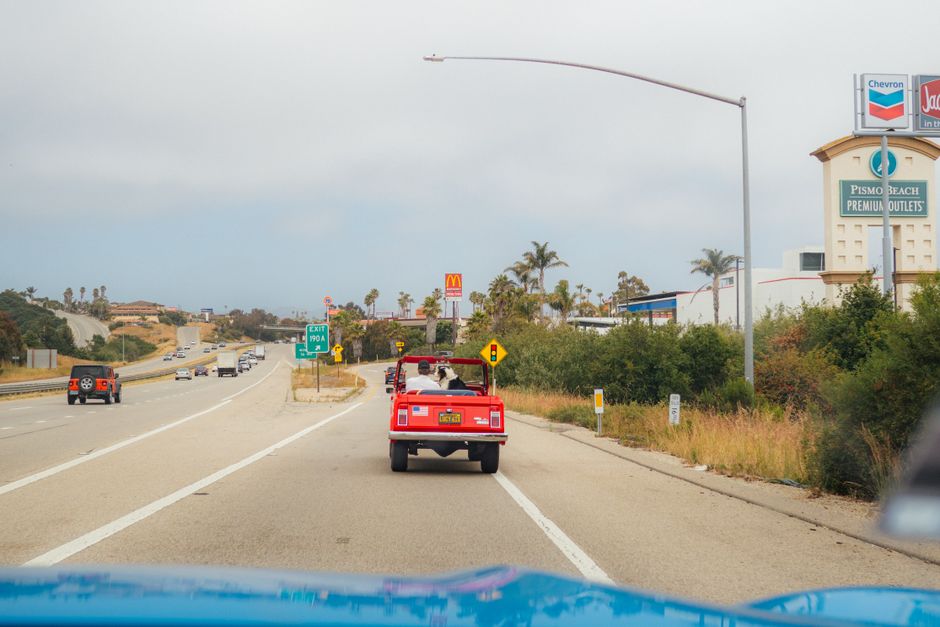
Thinking about hitting Highway 1? Or maybe exploring the desert roads out east in California? Ever wonder why even some serious agents are ditching their usual cool rides for something else? Easy answer. It’s not about flash. It’s about staying alive. For a California Road Trip Vehicle, plain and simple: your ride needs to actually perform and keep you safe. Not just look cool. The stakes are hella high out here, navigating winding coastal roads, steep mountain passes, or honestly, just dealing with our crazy freeway traffic.
Your Car Matters. Big Time
Don’t just pick a car because it’s cheap, or hey, maybe you just like the emblem. Your whole road trip experience, from the chill vibe of a beach town to the dusty trails of Sequoia, depends on that vehicle. Is it tough enough? Our state throws a lot at you. Unexpected fog. Sudden downpours. A dusty detour. Your vehicle needs to handle it all without a grunt. This isn’t just about getting from Point A to Point B. It’s about how you get there.
Performance? Absolutely Crucial
This is where the rubber truly meets the road. Serious operators, they know this: heaps of metal or a fancy name on the hood means jack if the machine can’t handle tough stuff. Think about those government-issue, heavily armored Cadillacs. Powerful? Sure. But often modified after they leave the factory. They get all that bulletproof weight. No fundamental re-engineering.
And the result? Balance problems. They’re clunky. While trying desperately not to tip over, they lose time. Agility? Gone. The original design just wasn’t built for that much extra weight.
Now, compare that to a car designed from scratch for its specific job. Like the BMW X5 armored variants. These aren’t just an SUV with plates thrown on. Engineers design the frame, the brakes, the entire suspension system specifically to handle that extra heft from day one. Performance is baked in.
This kind of design makes all the difference. While the slap-on version might lumber, struggling through a turn, the purpose-built one can carve a corner beautifully. It accelerates out of trouble. Agility. Stability. Control. No matter the weight or chaotic roads.
Safety First. Always
You want a vehicle that feels tough, solid, and incredibly safe. That peace of mind? Not just fancy. It’s a must for any long drive. And another thing: comparing it to armored vehicles works. A car whose safety is built right into its core design will always do better than one where safety stuff is just tossed on later.
Think about crash test ratings. How strong is the structure? Advanced driver-assistance systems? These aren’t afterthoughts. They are key parts of a truly safe vehicle. Do your homework. Look beyond the flashy paint job. Check the bones of that machine.
Forget Brand Loyalty. Trust the Design
But forget patriotism or loving a certain brand when it comes to keeping safe and performing well. The real lesson here? Survival. It’s not about which emblem is on the hood. It’s about what that vehicle was designed to do.
Does it have enough clearance for a dirt road to that secluded camp spot? Is its engine beefy enough to handle long climbs up to Tahoe without melting? Does its suspension soak up the bumps of poorly maintained backroads or give you a jarring ride? These questions are key. Choose a vehicle for what it is, not for what you hope expensive parts can make it.
Comfort? Once You’re Safe
And once performance and safety are locked down, then you can think about the nice-to-haves. A smooth ride. Comfy seats. A good sound system. These things can make a long drive way better than just tolerable. These are the touches that make your California road trip feel like a real escape. Everyone happy. Refreshed for the next part.
Quick Q&A
Why are some security folks ditching classic armored cars like Cadillacs?
It’s not protecting against bullets; it’s about how the car balances and moves. Older models, armored after they’re built, totally struggle with stability and handling once they have all that extra weight. Not good in touchy situations.
What’s the main difference between a factory-armored car and one modified later?
Factory-armored cars, like some BMW X5 models, get their chassis, brakes, and suspension specifically engineered from day one to carry all that armor weight. Modified cars just add heavy armor to an existing design, which often messes up performance.
How does a car “born armored” drive differently when things get intense?
Because it’s designed all together, a factory-armored vehicle stays balanced, can turn like a sports car, and gets out of dangerous spots much better. All thanks to its engineered stability and handling.