Irrelevant-Transcript-California-Travel: Seriously, What Is This?
Ever had your content brain just totally wander off? We did. We asked for sweet California road trip intel. You know, coastal drives, maybe a chill spot right near the ocean. Instead? This totally insane irrelevant-transcript-california-travel situation. Not just off-topic. Hella off-topic.
Seriously, we’re stuck here talking about engine specs. For a blog about golden state adventures? Wild detour. Let’s just dive in.
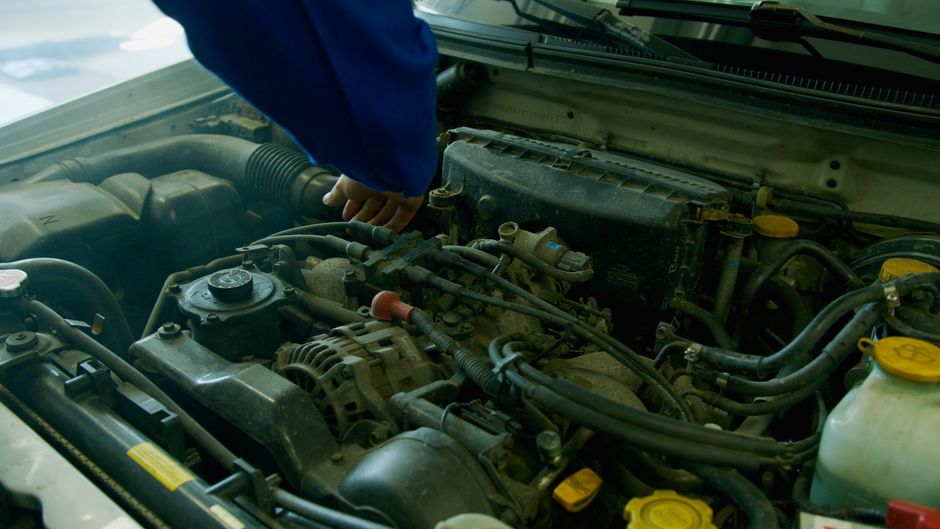
Inside the crazy 1.8L turbo engine details
So, picture this: the ’90s. Ferdinand P. totally owned bragging rights with this 1.8-liter turbo engine. It had “20” stamped right on the engine cover. Because it was a big deal. Meant it had 5-valve per cylinder setup—three for intake, two for exhaust. Pretty wild, right?
And this wasn’t some everyday tech. That 5-valve stuff? Usually, found only in those seriously exotic hypercars. Like the Ferrari F355. This engine basically took that fancy race car tech and crammed it into a regular sedan. It revved super high. Ran smooth. And get this: loved modifications. Just a simple software tweak could easily push it past 200 horsepower. Pretty sharp for its time, honestly.
A terrible choice: small oil pan, big problems
Now, here’s where things get messy. Even with all that cutting-edge stuff, one dumb decision during the design phase basically cratered the whole brand. See, the engine started life in something small, like a Golf. Had a perfectly fine, ample oil pan.
But then came the Passat. Needed to sit long ways in that car’s engine bay. So the oil pan had to shrink. Why? Front axle clearance. Not a minor adjustment, either. The oil capacity tanked to under four liters. Yikes.
The infamous ‘oil sludge tragedy’ was born
Suddenly, you’ve got super hot, high-revving, five-valve turbo power. But barely any oil to cool it down. Total ticking time bomb.
And guess what happened? It blew up. That combination created what history now calls the “Oil Sludge Tragedy.” The oil? Scorched. It carbonized. Turned into thick, black gunk, just like gooey tar. This sludge then clogged the strainer in the oil pump. Hundreds of thousands of engines, cruising along, simply ran out of lubrication. Bearings spun. Engines seized. Absolutely catastrophic.
Lawsuits forced the truth out
Initially, the car maker tried to shift blame. “Owners didn’t change their oil,” they griped. Classic move. But out here in America, massive class-action lawsuits started piling up. And another thing: when so many engines fail, you can’t just deny it forever.
Eventually, they gave in. The manufacturer had to admit the design fault. Not user error. Just a seriously bad engineering choice that caused tons of engine failures.
This is not about California travel. At all
So yeah! A deep dive into an engine’s biggest screw-up. This might be a cool history lesson for some gearhead, but for your upcoming Sonoma Valley wine tour? Less useful than a swimsuit in Antarctica. We try to bring you awesome California content, from gorgeous coastal drives to hidden mountain paths. But sometimes? Even we get curveballs hot enough to melt an engine.
Always check your sources. Seriously. And change your oil. On time.
FAQs (Fast Answers)
Q: Big deal about that 1.8L turbo engine?
A: It had this super advanced 5-valve technology. Not common.
Q: What caused that ‘Oil Sludge Tragedy’?
A: The engine’s oil pan shrunk. Way too small. Barely any oil: under 4 liters. Lousy cooling.
Q: How’d the company respond?
A: They first blamed owners. But because of lots of lawsuits, they eventually owned up to their design flaw.