Homes, But Printed? California’s Future might just be that wild
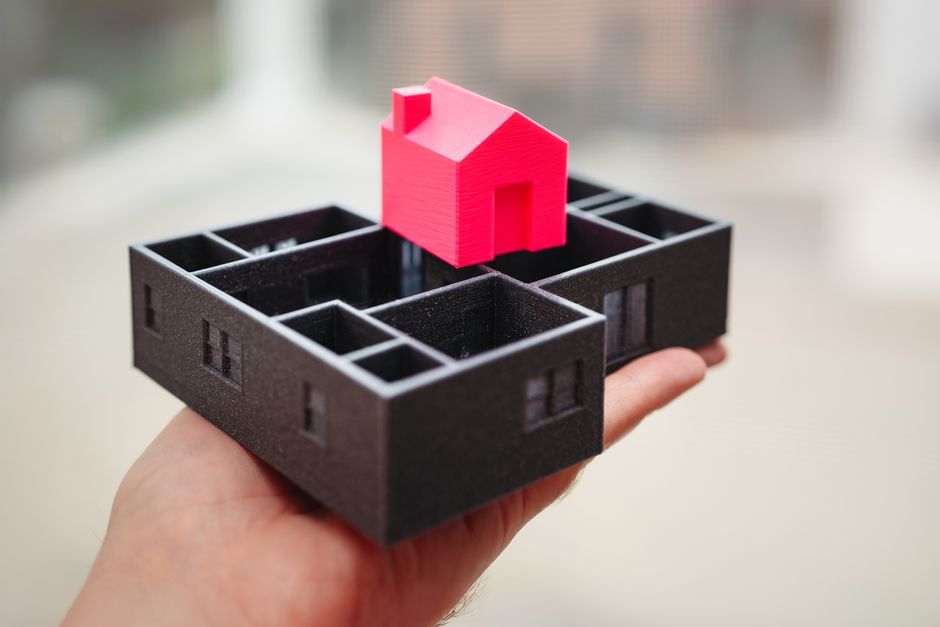
Ever really think about how your house got built? The insane time it took, all that wasted lumber, the whole army of folks on site? It’s a massive deal. But what if we could just print our homes? Like, literally? 3D printed homes California sounds totally sci-fi, I know. But guess what? This isn’t some far-off dream. It’s happening. And, for California, it could be the exact game-changer we desperately need to fix this housing mess. Current construction methods? They’re just not cutting it anymore. Nope.
World’s Packed. We Need Homes. FAST
The world’s getting crowded. Fast. By 2050, roughly 68% of humanity – that’s a mind-blowing 6.6 billion people – will live in cities. And this isn’t just some global stat. It’s a huge problem right here in California. Our cities? Already super dense. That population jump needs housing solutions. Faster, cheaper, way more of ’em. Old construction just can’t keep up.
Think about the sheer amount needed: the US alone needs 3.5 million new homes by 2025. An impossible ask. Current timelines and materials? No way. We need some fresh ideas. Real quick.
The Printer Advantage: Speed, Savings, and Green Vibes
So, here comes 3D printing for building stuff. Also called additive manufacturing. This isn’t just a fancy trick. Nah. It’s a totally new way to build. Digital designs become real structures, bit by bit, super precise. This tech cuts building time from weeks or months. Days. A whole house, built in just one, two, or three days? Yeah, that’s the speed.
And another thing: The money stuff. Big benefits. Studies from places like England show that houses built this way can be up to 35% cheaper than traditional ones. Why such huge savings? Two big things: less material gets used and barely any labor. A regular house build might need a crew of 32. But a 3D-printed one? Just three people. That’s a massive drop in payroll, for sure.
Bonus points for the planet, too. Because a computer’s doing it, it’s all automated and way more accurate. Less waste on the job site. Big win. And if you’re using natural raw materials, like mud, you’re looking at places that are naturally greener. Plus, a reduced carbon footprint compared to usual building. It’s a good vibe for the planet.
Bumps in the Road: Cost, Learning, and Old Habits
Now, it’s not all rainbows and sunshine. There are tons of bumps. Specialized training for the workforce? That’s a big deal. Finding skilled labor for traditional builds is already tough. Imagine staffing a crew of 3D printing pros. Whole new skill set.
And then: the cost. Sticker shock is real. Buying these huge 3D printing machines? Not cheap. For many developers, that big upfront cost is a serious barrier. Makes them wonder about the return on investment.
But, listen: the printer does the basic stuff, sure. Walls, the main structure. But everything else? The insides, the wires, the pipes, the insulation? Still gotta do it the old way. So, it’s a mix for now.
Finally, there’s just plain stubbornness. The construction industry is stuck in tradition. Some view this new tech as a threat. Not a useful tool. Changing hearts and minds? That’s the real trick. We need to shift that mindset.
This Market? It’s Exploding
But even with all that, this market? It’s blowing up. Like, $8 billion in 2018. But by 2026? It’s headed to $51 billion! We’re talking 24-26% growth yearly. Seriously huge. This isn’t just for small prototypes anymore. Nope. It’s about full-size houses. Even bridges. Construction guys? They’re paying attention. For good reason.
Everyone wants faster, cheaper, greener places. That’s what’s pushing this tech. It is changing quick. We’re seeing more money, more excitement, more real projects pop up. Sure, bumps in the road are there. Major ones. But a different, better future for housing? Especially in California, where homes cost a fortune? That’s really something else. The future of building. Right here.
Quick Q&A
What’s good about 3D printed homes?
They can be built incredibly fast. Days, not weeks. Up to 35% cheaper due to less junk wasted and fewer workers. And they’re much better for the environment, especially when using natural building stuff.
What are the tough parts about 3D printed homes catching on?
Super expensive machines. Need new skills for workers. And the inside stuff? Plumbing, electric, decorating? Still gotta do it the old way. Oh, and people are just stuck in the past.
How much bigger is this market getting?
It was around $8 billion back in 2018. But it’s expected to hit $51 billion by 2026. This means incredible growth, like 24-26% more every single year. Big money moving in.