California EV Road Trips: Could Battery Swapping End Range Anxiety?
Okay, stuck at a charger on an epic road trip? Clock just ticking, right? Total buzzkill for any EV owner. Especially here in California; those open roads? They call to you. That horrible feeling, the range anxiety. Or just the endless wait for power. It’s the MASSIVE thing holding people back from electric. Car makers, fine. They brag about big ranges, promise quick charging. But what if? A completely different path. What if a California EV Battery Swap station could jet you back on the road in minutes? Just like swapping out dead AA batteries. This isn’t some wild future dream. Nope. It’s a concept. Been around for ages. And now, it’s really, surprisingly back.
Why Early Battery Swaps Stumbled
Believe it or not, swapping EV batteries isn’t some fresh idea. Mercedes-Benz gave it a shot. Way back in 1972 with their L36 bus. They cranked out like 40 prototypes. You just slid the battery outta the side. But look. This was 1972. EVs were a whole new ballgame, a tough sell. And those manual, kinda sketchy battery changes? Nope. Mercedes dropped that project fast.
Tesla’s Daring Experiment
Okay, jump ahead to the 2010s. Guess who? Elon Musk himself. He rolled out battery swap stations. For the Tesla Model S. Back then, “range anxiety”? Hella real. And people totally scoffed at EVs. Tesla promised a battery swap in less than 90 seconds. Even grabbed a patent for the system in 2013. And another thing: Musk practically put on this hilarious launch event. Showed two Model S cars. They swapped batteries faster than one gas car could even refuel! Pretty quick.
But here’s the problem: it flopped. Totally. Tesla kicked off a beta in 2014. Invited about 200 users. You know how many showed? A measly 45. Musk, bless his heart, said right out loud it wasn’t popular. Later, a San Francisco beta. Same diff. People just didn’t care. So by 2015, Tesla ditched the whole swapping gig. Poured all their efforts into building that massive Supercharger network everywhere. Folks just didn’t trust swapped batteries. And honestly, the whole vibe simply wasn’t right for everyone to jump on board.
The Better Place Debacle
So, right around then, some Israeli company called Better Place also tried to make battery swapping a thing. Epic fail. They famously went bust in 2013. After just, like, two years. Their biggest mistake? A HUGE standardization mess. See, Better Place didn’t design cars; they designed swap stations. Car manufacturers, then, had to basically build their vehicles around Better Place’s specific batteries. Sizes, hookups, everything. Only Renault bit. Produced about 100,000 Fluence Z.E. cars. Ones that worked with Better Place stations. No other car company wanted to throw out their own ideas just to fit some other company’s swap tech. That restriction? Totally ruined them.
Nio: The Modern Success Story
Wondering if battery swapping actually works? Anywhere? Just check out China and the carmaker Nio. They are absolutely crushing it. Their big secret? Nio designs their own vehicles. And their own swap stations. This means they just skip all those awful standardization nightmares that destroyed Better Place. No messy problems.
But anyway, by 2020, Nio reported over 800,000 battery swaps. Across 143 stations. Each swap takes, like, under three minutes. Also, about 40% of their customers actually choose to subscribe to a battery service instead of buying the whole thing up front. Makes the car cheaper to start. It’s a model that works. Proves fast battery swaps are a totally good plan, if you do it right.
Ample: The Game-Changing Challenger
Okay, a new player called Ample. They’re grabbing this tech again, shoving it into the limelight. Want to fix ALL those ancient standardization headaches, definitively. Founded around 2017. Ample’s shiny new stations? They can do a totally automatic battery swap in just five minutes. Your car pulls in. A robotic system yanks the old battery from below. Plops in a fresh, charged one. Quick and easy.
Their biggest brag? Ample vows its system works with any electric vehicle. No joke. How? Instead of swapping one massive battery pack, Ample uses these smaller, Lego-like parts. Modular battery pieces, they call ’em. This means car manufacturers don’t have to overhaul their car designs. Awesome, right? And it could even give drivers more choice—maybe just grab a few modules for a quick city trip. But pile on more for one of those long California road trips. This modular idea? IT’S A TOTAL GAME-CHANGER. And no surprise Stellantis hooked up with Ample in December 2023. Gonna test the system with their Fiat 500e car-sharing fleet in Europe next year. That’s a massive stamp of approval.
Persistent Hurdles Ahead
Look, even with Ample bringing all these exciting new ideas to the table, widespread battery swap adoption? It still faces some really gnarly challenges.
Think investment and infrastructure costs. Sure, these stations can deploy super fast, usually, like, three days. But hey, they need seriously beefy power grids. To charge a bunch of batteries all simultaneously. And yes, it’s clever and all, but the sheer expense means getting that money back? Could take ages. A really, really long time.
Then there’s this never-ending battle for standardization. Ample claims they’ve got it nailed. But making it genuinely able to work with every single make and model? All those varied battery sizes, connection spots, quirks? That only time will tell. No guarantees.
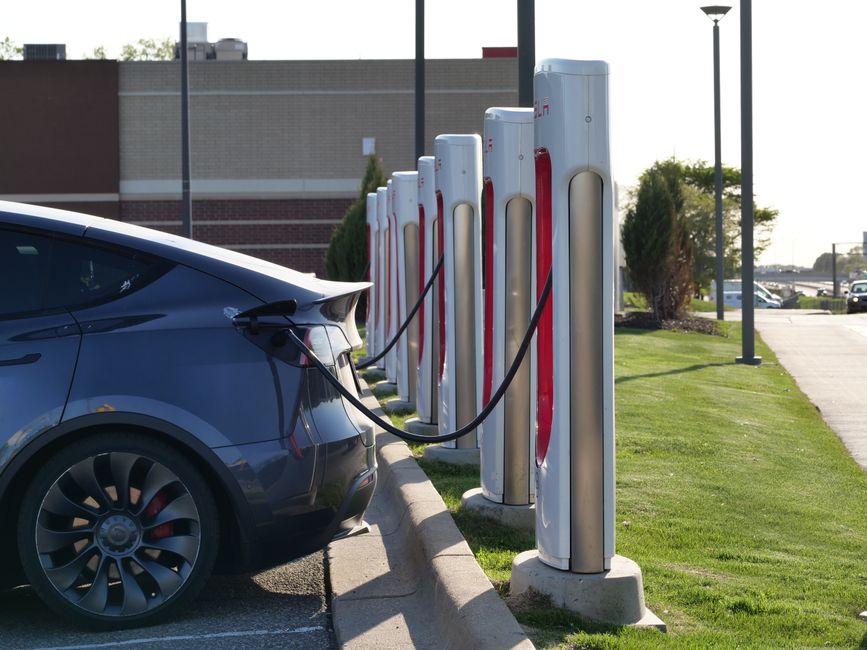
But also, charging technology has improved a ton. So many EVs now can zip from 20% to 80% charged in under 30 minutes. Range anxiety? Way less of an issue. Especially when new models are hitting 300+ miles on a charge easy-peasy. So do average consumers truly need battery swapping as much as they did a decade ago? Maybe not.
And finally, the big one: consumer trust. Would you honestly swap out the expensive battery in your brand-new EV for one that’s been used and swapped, like, a gazillion times? What about insurance headaches? Just building confidence in a “swapped” battery? That’s a massive roadblock.
So, for now, the best spots for battery swapping? Probably certain niches. Like fleet vehicles. Or shared mobility services (think those rentable little cars or scooters you spot all over cities). And other smaller electric ways to get around. These? They could definitely see widespread use in California’s city centers. Much sooner than your standard family car. For regular private car owners, there’s still a looooong road ahead. Before battery swapping becomes something you just see at every gas station, er, chill spot.
Frequently Asked Questions
Q: What were the first battery swap attempts like?
A: Mercedes-Benz tried a manual system on their L36 bus prototypes way back in 1972. But it was pretty much a no-go, unsafe. And then Tesla fiddled with battery swapping for the Model S in the 2010s. But they just switched to building their Supercharger network instead. Because, well, not enough folks were interested.
Q: Nio’s battery swap model: How’s it different from, say, Better Place who totally belly-flopped?
A: Nio’s thriving because they do everything themselves: design their own cars and their own swap stations. This neatly sidesteps the huge standardization mess that absolutely killed Better Place. Other carmakers just wouldn’t bother changing their designs to fit Better Place’s specific swap setups.
Q: What’s still making wide-scale battery swapping adoption so hard?
A: Big hurdles. Really high costs to build all those stations. And we still need industry-wide standardization, bad. Plus, regular fast-charging tech? It keeps getting faster, way better. And, honestly, people gotta trust these swapped batteries. Is it safe? Reliable? Those are all tough nuts to crack.