Dyson’s Vertical Farming Innovation: A Glimpse into California’s Sustainable Agritourism Future
You think Cali farming is all huge fields and endless almond rows? Nah. Think again. Drought’s a real thing, you know? And our population is just booming. So, we gotta get smart. Quick. That’s where California vertical farming totally comes into play. It’s a concept that’s gotten a ton of buzz, but it’s infamous for its insane costs. Tricky business models, too. But when Dyson—yeah, the vacuum and hair tool people—decides to dive into growing food without dirt, claiming 2.5 times higher crop yields and 9 times better energy use than old-school ways? You gotta stop. And listen up. This isn’t just about growing veggies; it’s about slamming through the limits of agriculture. A totally game-changing vibe, right?
For years, vertical farming promised a food revolution. Crops stacked high. Indoors. Minimum land. Little water. The appeal was, and still is, super strong. Imagine fresh greens, right in the city. No seasons messing things up. But the industry hit a snag. A massive one. Billions poured in. Then loads of firms just crumbled. Bankrupt. Why? Sky-high energy bills. Crops. Low value. And labor costs that never stopped climbing. And another thing: Turns out Dyson actually engineered some seriously clever fixes for those exact problems.
Dyson leverages advanced engineering to achieve 2.5 times higher crop yields and 9 times greater energy efficiency in vertical farming compared to traditional methods
Dyson isn’t just some electronics giant, either. It’s a huge farming deal in the UK. They run over 36,000 acres. Use AI and smart camera stuff for everything. From potatoes to energy crops. When they built their 26-acre vertical farming greenhouse, the goal was simple. Bring their engineering muscle to agricultural puzzles. And boom. They did it. They focused on squeezing every single kilowatt-hour. Every square inch. The results? Clear as day: up to 9 times more energy efficient. And way more stuff growing there.
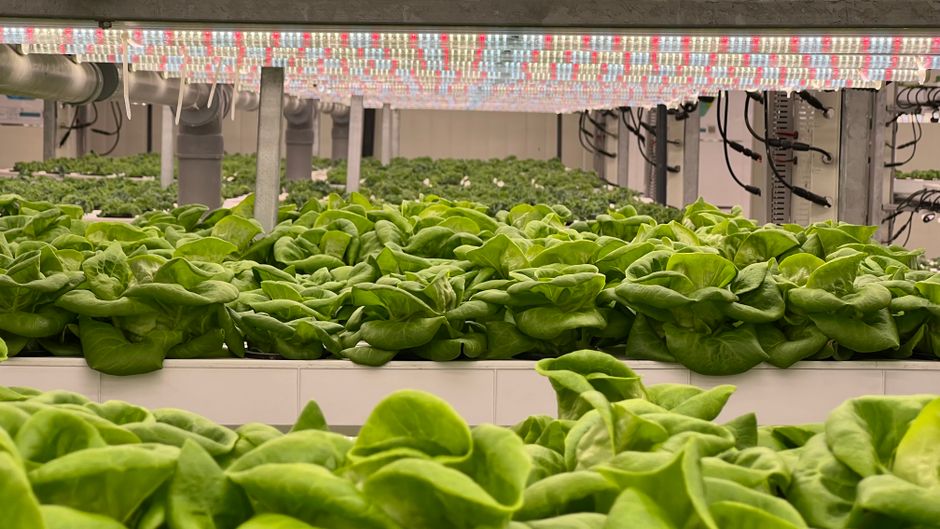
The integration of natural sunlight through glass roofs with dynamic rotating platforms and supplemental LED lighting optimizes energy use for indoor plant growth
Regular indoor vertical farms? Total energy hogs. They pretend to be the sun with all-LED setups. Running up an insane electric bill. Dyson did it differently. Their greenhouse has a glass roof. Real sunlight. This simple move seriously cuts down on needing fake light. Big time.
But what about the stacked layers? How do those shaded plants get enough sun? Genius! They use these massive rotating platforms. They’re 24 meters long and 5.5 meters high. Inch along daily. Literally, every plant gets its moment in the sun. LEDs are there, sure. But they just help out, you know? Kick in only on cloudy days. Or to boost growth. This hybrid system slashes energy use from the usual 75-100 kWh per kilogram of produce down to just 7-15 kWh. That’s a huge leap in getting things done efficiently.
Focusing on high-value crops like premium strawberries, rather than low-value produce, significantly enhances the economic viability and profitability of vertical farming operations
One of the swiftest ways vertical farms went belly-up? Chasing low-value crops. Turns out, most people won’t pay double for vertical farmed lettuce. Who knew? Dyson learned this lesson. They’re growing premium strawberries.
A kilo of regular lettuce might cost five bucks. But Dyson’s premium strawberries? Known for their awesome taste and Brix value; they sell for about $18 in the UK. This focus on super quality means higher profit. A way healthier bank balance. Choosing the right crop is absolutely critical for making money in this game. Period.
Extensive automation, including AI-powered robotic harvesting, UV mold control, and beneficial insect spraying, drastically reduces labor costs and disease risks, boosting overall farm efficiency
Labor is another monster in vertical farming. Old ways can mean 45 workers per acre. Really. Dyson, with its engineering smarts, went full robot. Robotic arms, guided by AI and cameras, check berries to see if they’re ripe. Then. They gently pluck and pack them. No human hands messing up or going slow.
But automation isn’t just for harvesting. Automated UV light vehicles patrol the greenhouse. Zapping mold. Stopping disease breakouts before they spread. Totally. Another robotic arm sprays beneficial insects. Keeps pests in check. No nasty chemicals needed. This tech-heavy way means their 26-acre spot runs with only 83 workers. A tiny fraction of what a normal farm that size would need. This means 10 times better labor efficiency. Pumping their overall farm efficiency through the roof.
A self-sustaining biogas power plant, fueled by energy crops and organic waste, provides a closed-loop system for electricity, heat, and CO2 recycling, making the farm energy-independent
Even with all that energy saving, a high-tech place like this needs power. Dyson’s solution is a master moves in sustainability: a biogas power plant next door. This setup runs on energy crops from Dyson’s huge farms – silage corn, stuff like that. Plus all the leftover organic waste from the vertical farm. It’s a closed-loop system. Makes the farm almost totally energy-independent.
The process ferments these things. Makes methane gas and carbon dioxide. The CO2? Not dumped into the air. It’s piped right back into the greenhouses. Feeds the strawberry plants. A perfect example of recycling nutrients. The methane? Fuels farm machines. Powers gas turbines for electricity. Gives heat. Any extra electricity gets sold to the national grid. Powers UK homes. Even the muck from the fermentation becomes super rich fertilizer for their other fields. It’s a circular hustle, right there.
Dyson’s model highlights the importance of diversified revenue streams, with 50% of its profit derived from energy sales, underscoring the critical role of integrated energy solutions
Here’s the kicker, folks. And it’s a lesson California vertical farming startups need to get into their heads: Dyson’s cash isn’t just from berries. A full 50% of their profit comes from selling the extra electricity from that biogas plant. This isn’t just a farm. It’s an energy factory.
This wild mix of money streams shows a big truth: for farming in the future, strong, connected energy solutions aren’t just nice to have. They’re key to actually making money. For any vertical farm wanting to survive, investing in clean energy isn’t just good for the planet. It’s good for your wallet.
The engineering-led solutions address key challenges in vertical farming: high energy consumption, low crop value, intensive labor, and disease management
Dyson’s whole thing isn’t just a prototype. It’s a blueprint. It fixes the biggest problems that sank so many other vertical farms. They dealt with the brutal energy costs. Smart hybrid lighting. They fought low crop value. Premium produce focus. Labor-heavy operations? Gone. All automated. And the fear of widespread disease? Controlled. Actively. By UV light and those good bugs. It’s totally proof of what happens when you throw super-smart engineering at an historically tough problem.
So, is vertical farming the future? Maybe. What’s crystal clear? The old ways of doing things, even in this edgy space, just aren’t cutting it. With climate change bringing droughts and global warming making daily news, farming has to change. Dyson shows us that mixing engineering brains with real farming know-how can make something truly special. A model ripe for copying. Especially in places like our Golden State where every drop of water and every patch of land counts.
Frequently Asked Questions
What are the main challenges faced by traditional vertical farming operations?
Loads of vertical farms struggle. Huge energy use for lights and keeping the climate right. Low profits from picking cheap crops. Super high labor costs to plant and pick. And diseases spread super fast indoors. These troubles often mean financial ruin, even after a big investment.
How much more energy-efficient is Dyson’s vertical farming model compared to older systems?
Dyson’s new design, mixing real sun with extra LEDs and these spinning plant platforms, gets a whopping 9-fold increase in saving energy. Crazy, right? Normal vertical farms might use 75-100 kWh for a kilogram of product. Dyson’s system? Just 7-15 kWh for the same amount.
Beyond crop sales, how does Dyson’s vertical farm generate additional revenue?
A big chunk of Dyson’s profit, like 50% of it, comes from their biogas power plant. This facility not only makes the farm not need outside energy, but also makes extra power. Which they sell to the national grid! That brings in crucial extra cash.