Tofaş and Stellantis: Turkey’s Car World Just Changed!
Turkey’s automotive scene just got a massive shake-up. Like, seriously big. Ever wonder how you dominate a whole region, even with huge global players buzzing around? The Tofaş Stellantis Acquisition Turkey deal, greenlit by the Turkish Competition Authority recently, is pretty much the answer. This isn’t some polite corporate handshake. Nope. It’s a power play, plain and simple, set to completely change who makes what, sells what, and fixes what all across the nation. And that’s creating a totally new feel for car buyers and industry folks too.
Tofaş Snags Turkish Rights for 8 Stellantis Brands for 400 Million Euros – Now Has Most Car Brands in Turkey!
Imagine owning a quarter of the entire market. Tofaş basically pulled that off. On April 18, 2025, the company officially landed the Turkish sales and after-sales rights for eight whopping Stellantis brands. We’re talking big names here. Peugeot. Citroën. Opel. And DS Automobiles. All are now under the Tofaş roof, right alongside their existing Fiat stuff.
And it sure wasn’t cheap. A cool 400 million Euros exchanged hands. But the payoff? Tofaş now runs the most car brands in all of Turkey. That’s a huge amount of power and market reach, mind you, from just one company.
The Turkish Competition Authority Changes Its Mind: Approves Deal After Saying No in 2023
Remember 2023? Because the Competition Authority totally shot down a similar tie-up. Their big worry then was market crowding. They actually feared Tofaş would grab too much control, maybe screwing with prices and choices for all of us. Basically, they wanted to keep any single player from getting too powerful.
Fast forward a couple of years. The script completely flipped. What changed? And another thing: we’ll get into that in a bit. But the reversal? That’s a pretty big deal, signaling things are different now. Because market dynamics? They’re always moving.
Tofaş is Throwing Serious Cash Around: 232 Million Euros for New Cars, Another 256 Million for a Multi-Fuel Van for MEA
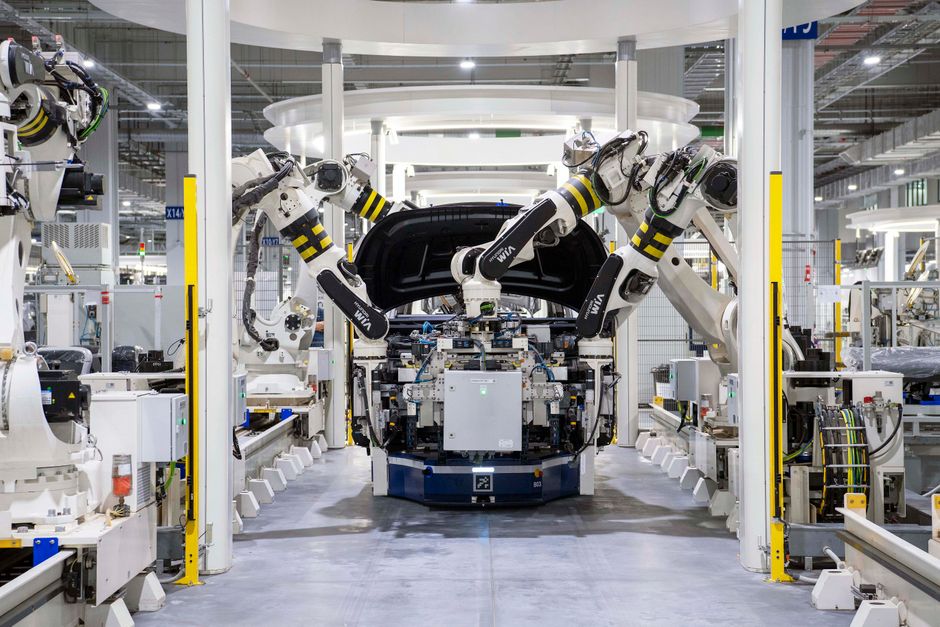
Tofaş isn’t just buying brand stuff, no sir. They’re dropping major dough into making goods. Between 2024 and 2032, a hefty 232 million Euros is put aside purely for new car production at their Bursa plants. And yes, models like the Peugeot Expert and various Fiat offerings are already slated for local assembly. More local cars hitting the market. Awesome.
But it doesn’t end there. Also, an extra 256 million Euros will go towards creating and building a super new multi-energy platform light commercial vehicle (LCV). This isn’t solely for Turkey, either. Big plans. It’s eyeing those Middle East and Africa markets, aiming for 150,000 units annually by Q3 2026. Tofaş clearly plays the long game here.
This Big Merger Means Jobs, Fresh Skills, Stronger Car Service, and More Locally Made Rides for Turks
So, what’s in it for us regular folks and the car industry’s workforce? A ton, honestly. This whole thing, all these investments, are likely to create loads of fresh work opportunities. Everything from factory floors to R&D labs, plus expanded sales and service spots. New roles are popping up.
Workers will grab new skills too. They won’t just know one brand. Imagine service techs trained on both Italian and French vehicles, all in one place. And for you, the consumer? It means a potentially way better, smoother car service system, with more options and easier access to cool, locally built cars. Talk about a total win-win.
Why the Sudden “Yes” from the Authority? Maybe Chasing Off Chinese EV Makers?
So, back to it: why the Competition Authority’s sudden change of heart? Nobody’s got a smoking gun, sure. But industry folks are definitely connecting the dots. Global competition is heating up. Think about all those Chinese car giants, like BYD, trying to muscle into international markets. Turkey is a big one for them.
European car groups, naturally, really want to hold onto their spots in important places like Turkey. And partnering up with a solid local player like Tofaş – who knows this market inside out and is great at research stuff – feels like a smart way to defend their turf. It’s about keeping market share against all the fast-growing new guys. This whole deal just screams “response” to that incoming wave, making sure European brands stay strong.
Engineers Get New Toys. Tech Boost. Faster R&D
For every engineer and smart techie in Turkey’s car world, this wider scope is a dream gig. Getting to work with new platforms from brands like Peugeot and Citroën? That means learning a ton, a massive technical boost. No more just focusing on Fiat’s ways. Now, they’re digging into different European designs, even cool electric vehicle setups.
This whole “engineers sharing ideas” thing will make R&D projects move way faster. Imagine the incredible stuff born from mixing Tofaş’s knack for making cars really well with Stellantis’s varied tech. It’s gonna be a brilliant zone for car innovations.
The gears are turning. Turkey’s car future? It just went into overdrive.
Frequently Asked Questions
Q: So, what parts of Stellantis did Tofaş get in Turkey?
A: Tofaş got the full rights to sell and fix eight Stellantis brands right here in Turkey. That includes Peugeot, Citroën, Opel, and DS Automobiles. That makes Tofaş the company managing the most car brands in the country. Big stuff.
Q: Why did the Turkish Competition Authority say no to a similar deal before?
A: Back in 2023, they said no. This was because of concerns about one company having too much market control. The authority worried Tofaş, by getting too many brands, would have too much power. And potentially mess with prices.
Q: What major new investments is Tofaş making with this deal?
A: Tofaş is putting 232 million Euros into making new cars (like Peugeot Expert and Fiat models) at its Bursa factory from 2024 to 2032. Plus, another 256 million Euros? That’s for a new kind of LCV that uses different fuels. This vehicle is mostly for markets in the Middle East and Africa, aiming for 150,000 units yearly by Q3 2026.