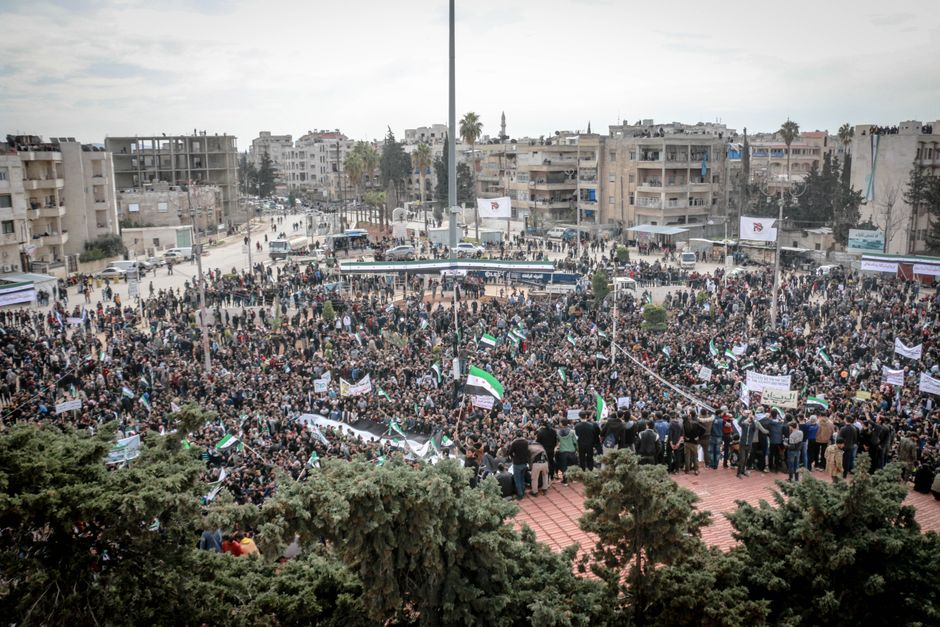
The Arab Spring’s Harsh Winter: What Happened in 10 Years?
Remember 2011? The air crackled, yeah? Millions across the Middle East, from Tunisia all the way to Yemen. They hit the streets. Freedom, democracy—a whole new thing they wanted. Everyone watched, hopeful. Real hopeful. A huge shift, you know? A true Arab Spring Aftermath forming. But ten years later? That early breeze of change became something else: a bitter, no-good “Harsh Winter.”
Promises Broke, Chaos Arose
So, it all kicked off with whispers in Tunisia back in 2011. Just because a street vendor, Mohammed Bouazizi, lit himself on fire. His fruit stall? Authorities took it. Pretty desperate, right? But that act, it really lit things up. Suddenly, thousands of people. Jobless. Disgusted. Students, lawyers—everyone was demanding change. Dictator Zine El Abidine Ben Ali, he’d been there since ’87. Gone. Boom! Success. People yelled, “The people want the downfall of the regime!” A loud, chilling shout bounced all over the area.
Yep, the internet. Social media? A huge deal. Facebook groups, Twitter feeds. Information just flew. Faster than wildfire. Stuff that used to take gossip, now it went instantly viral. Local sparks became raging fires. And, soon, protests and riots just exploded. Libya, Egypt. Yemen. Syria. Bahrain.
Why It All Went Sideways
Underneath it all, the area was already a ticking time bomb. Decades of dictators. Unfairness. Low pay. Everything costing too much. All this stuff had made everyone really mad. Especially the young people. Those inside pressures? Total truth.
But then the outside players arrived. European nations, the US, China, Russia. All of them saw a chance. What was just a big show for most people turned into an invitation to jump in for some folks in power. They thought it was the biggest political reshuffle since they started dividing up the Middle East. And they didn’t want to miss that party. This outside butt-in, focusing on their own plans and money more than real democracy, yeah, it usually just messed things up. Made it worse. Not better. For real people living there.
Social Media: The Start, Not The End
Social media’s muscle to get people moving? Yep, it was powerful. Organized different folks fast. Got chants unified. Shared pictures of protests, wins, inspiring millions. Blew down those fear walls. But that same tool that started a revolution? Couldn’t finish it. Digital movements? Turns out, hashtags alone don’t build real governments. Because there just weren’t enough good, organized choices ready to take over. So when the fear walls fell, what showed up was often just empty space. Total chaos. Or, worse, the same old strong-arm stuff.
Old Problems Exploded
The Middle East already had super deep cracks, you know? The uprising didn’t make these “fault lines.” Nah. It just ripped them open, turned them into huge, gaping holes. Talking: never-ending fights between old rulers and smart people wanting change. Non-Arab groups (Kurds, Berbers) demanding their spot. Rivalries with neighbors. Turkey, Iran, all of ’em.
And another thing: then came the wild cards. Others, not governments. Like huge companies with big money. Or religious terror groups, no borders for them. This whole messed-up mix, stirred by alliances changing all the time between countries, yeah, it caused a total disaster for the area.
Outside Players Just Helped Themselves
Remember all that talk about “humanitarian intervention” and democracy? Big promises. The reality? Way messier. Global powers thought they were playing chess out there. But they totally didn’t get how messed up things already were. They backed different groups, sometimes out in the open, sometimes on the DL. But always with their own plans running the show.
Take Saudi Arabia. They straight-up backed royal families against regular people rising up. Used iron-fisted rule to stop people from getting what they wanted. Got neck-deep in proxy wars with Iran, down in Yemen and Bahrain. Even gave props to a new dictator in Egypt. All while secretly fighting with Turkey. Turkey was often alone. Made friends with Qatar, but its money connections saved it with Riyadh. The big lesson, folks? Look past the headlines. Find the real players. And their mixed reasons.
Who Won What From This Mess
The Arab Spring’s flip-flop created huge changes. Iran got a lot of sway. So the US tried to box it in. Russia? Made a hella strong comeback to the Middle East. Its diplomacy often playing it smarter than the US on some conflict stuff. Turkey saw its foreign policy get all military-like, taking a more bossy approach. Even using militias as a new trick. And then the Syrian civil war exploded. Sent millions of refugees pouring into Turkey, then into Europe. Straining everything. Shifting European politics.
Meanwhile, Israel found itself pretty darn strong now. The Syrian mess was raging. It speeded up oil/gas digging in the occupied Golan. The Palestinian issue, for a bit, got pushed off the front page. Good for Israel. It also pushed for Arab-Israeli normalization. All uniting against Iran, ‘the bad guy.’ It was like a chill spot for some. A total disaster for others.
No Real Choices. Just More Chaos
After all the dust settled? One big truth popped out. The movements had shaken up the old governments, sure. But they didn’t have solid plans for democracy. Instead of knocking out those strong-arm systems, the mess just made them stronger. Old religious wounds? Ripped right open again. Crazy groups? Like al-Qaeda, they exploded. Warlords were everywhere. Especially in Syria, Libya.
The Arab Spring, sadly, didn’t end with a bunch of shiny new democracies. Just became a harsh winter. Left behind lessons. Nightmares. And crazy disappointments.
Frequently Asked Questions
Q: So, what kicked off the Arab Spring?
A: A street vendor in Tunisia, Mohammed Bouazizi. He lit himself on fire on December 17, 2010. Why? Because the authorities took his stall away. That’s what started it.
Q: Why didn’t the Arab Spring uprisings bring lasting democracy?
A: Lots of reasons, really. No real organized choices to take over. People were super mad inside about politics and money troubles. Outside global powers kept butting in for their own gain. Plus, old regional problems like religious fights just blew up bigger.
Q: Who really came out ahead from the Arab Spring mess?
A: Iran and Russia got more power in the area. Some countries, like Turkey, their foreign policy got all military-focused. And big wins for Israel.