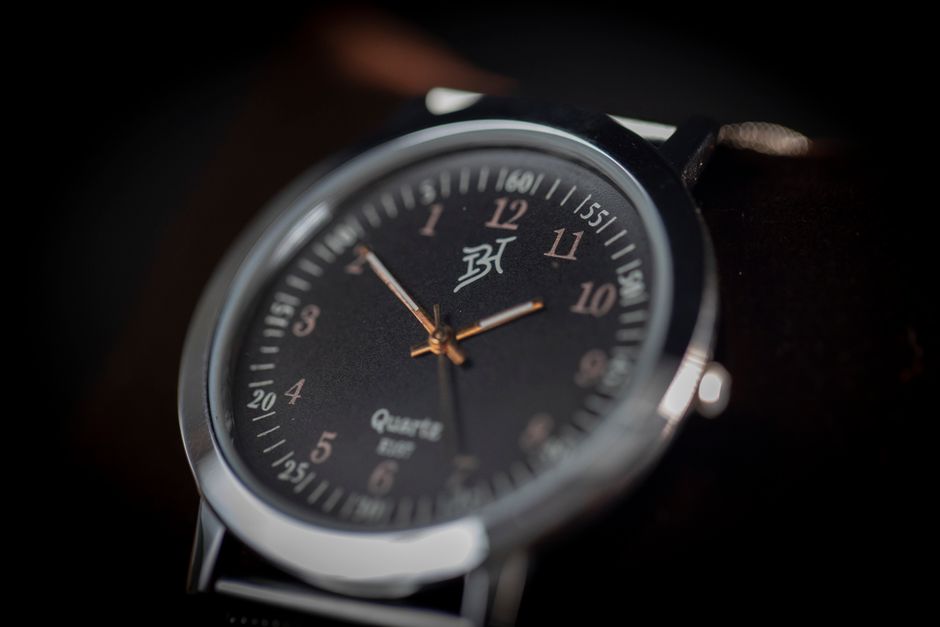
How Quartz Watches Work: The Real Deal on Accurate Time
Ever wonder how that little thing on your wrist keeps perfect time? All day. Every day? Pretty cool, right? Most folks just slap ’em on and don’t think twice about the brainy science ticking underneath. But when you get into how quartz watches work, it’s hella fascinating. Seriously. Your phone, your alarm clock – loads of gear that measures time uses a simple quartz crystal. So, what’s the big deal with this normal rock?
Quartz Power: Dirt-Cheap Earth Timekeeper
Basically, quartz? Just silicon dioxide. You probably know it, even if you don’t know it. Tons of it on Earth. From beach sand to those clear rocks in a crystal store. But it’s not just pretty. This rock’s got a secret. It’s called the piezoelectric effect. And it’s what makes this stuff so darn good for super accurate time.
Piezoelectric Effect: Quartz’s Whisper
So, what is this piezoelectric effect? Picture it: push on a quartz crystal, and it makes a tiny jolt of electricity. Zap it with power? It shakes. This cool trick – turning push into power and power into jiggle – was found by the Curie brothers (Pierre and Jacques) back in 1880. And another thing: It’s the hidden superpower in loads of modern gear. Yep, even your watch.
Crystal to Clock: The Heartbeat
Okay, here’s the smart part. Grab a quartz crystal, cut it perfectly, and then wire it up. Give it an electric current. Boom. The crystal starts to jiggle. Super precise. Super steady. Like, millions of times per second. Perfect for timing anything.
A little circuit then counts these constant shakes. Count enough jiggles, it sends a signal. Boom, your watch hands move. Or the digital numbers flip. It’s a never-ending cycle: power becomes movement. That movement gets counted. With crazy accuracy.
Why Quartz Rocks: So Stable
Why quartz for such a big job? Not something else? Because it’s stable. Really stable. Its natural shake rate? Doesn’t really change. Even if the temperature or pressure moves a little, it doesn’t care. That never-changing steadiness? Key to accuracy.
And another thing: TONS of quartz around. Cheap to get and use. So everyone gets this tech.
Before quartz, mechanical watches were fancy art. All springs, gears, and tiny bits. Looked great, no doubt. But messed up easily because of friction, heat, even just gravity. And super pricey.
The Quartz Revolution: People Got Time!
When quartz watches showed up in the 1960s? It was a ‘quartz revolution.’ This totally flipped the watch world. But suddenly, those mechanical watches—once the top for accuracy—became just fancy stuff or collector’s toys. Quartz watches? Way better. More accurate. And way, way cheaper to pump out. So, they put super-accurate time on everyone’s wrist.
Quartz Everywhere: Not Just Your Wrist
Quartz tech isn’t just for watches on your arm. Or wall clocks. Because it’s so stable and accurate, it’s used in tons of other places. It syncs up computers. Gets telecom gear humming for clear signals. Crucial for science instruments and navigation, too. Stuff that needs super-duper accurate time.
So, next time you check your watch (digital or old-school)? Take a sec. Think about that tiny quartz crystal right there. It just vibrates, millions of times a second. Setting the rhythm for your whole day. Proves how science and nature, teaming up, can totally change our lives.
FAQs (Quick Answers)
So, what IS quartz?
It’s a mineral. Mostly silicon dioxide.
Who found the piezoelectric effect?
The Curie brothers. Pierre and Jacques. Back in 1880.
Big deal with quartz watches vs. old mechanical ones?
Way more accurate. Stable. Tougher. Cheaper. Not messed up by heat or pressure. Easy to make a bunch of ’em.