Steve Wozniak: California Genius Who Built Apple & Defined Silicon Valley
San Jose. 1950. Seriously, think about it. No Silicon Valley back then, just fruit orchards everywhere. Super chill. Machines were huge, impossible to get your hands on. Personal computer? Total sci-fi, right? But guess what? Our digital future? Started right there. Stephen Gary Wozniak was born, a name that screamed Steve Wozniak California ingenuity from day one. Not just any baby. A future engineering heir, for sure.
Steve Wozniak’s Early Life in San Jose: A Foundation for Innovation
Wozniak? Super into electronics. Not a gift from the universe. Just family. His dad, Jerry, a Lockheed Martin engineer, wasn’t about boring textbooks, nope. To Jerry, electronics was a puzzle, pure magic. Every piece had a story. And his mom, Margaret, helped that super curious kid grow his feelings too.
Kid Wozniak? Always ripping stuff open. Every single device. Toy. Radio. Not messing them up, just wanted to see what made them tick. How gears turn. The magic. Such an obsession, he got his Ham Radio License. Eleven years old. That’s crazy. Most adults? Still can’t.
But his brain wasn’t only wires. Not at all. Tom Swift Jr. books sparked his mind. Huge sci-fi fan too. Star Trek? More than just TV. It showed him how tech should help people. A clear vision. He didn’t see himself as some suit chasing cash. An inventor, pure creator, teacher. Yes, really. He just wanted tech for everyone. Not just fancy folks.
His genius? Engineering was art. Not just boring math. Brushes, notes, circuit boards. Same thing to him. He went for simple. Super simple. Stripped designs. Barely any parts needed. “Nature intended,” he’d say. That’s Wozniak being perfect, right there.
After Homestead High in ’68, Wozniak went to Colorado. Computer science. Only problem? ‘Computer science’ wasn’t really a major yet. Total risk, right? But profs saw his talent fast. Gave him advanced classes. Self-taught computer skills? Off the charts. And get this: Same time, a kid called Steve Jobs started Homestead High. Same hallways, same school, but no meet-up yet.
Wozniak? Total prankster. Always pushing limits. In ’69 at Colorado, though? His curiosity got him in trouble. Caught “hacking” the university’s mainframe. Big deal back then, not just a laugh. Rumors flying: expelled! Nope. Wozniak later said it was probation. Overloaded the system, didn’t break anything. Ashamed, he went home to California. Not a screw-up. It was fate. If he’d stayed in Colorado, no Apple. Think about that.
Electronics as a ‘Magical Playground’: Wozniak’s Unique Family Influence
That whole amazing electronics thing? His dad, Jerry, really pushed it. Wiring stuff, transistors? No chores. Just cool puzzles. Part of a huge, awesome game. And his playful, artistic tech view? That became Wozniak’s whole deal. Shaped everything he did.
The Homebrew Computer Club: A California Crucible of Open-Source Ideals
Back in California, Wozniak did De Anza College. Then Berkeley, 1971. And that’s where a legendary partnership kicked off. His high school pal, Bill Fernandez, introduced Wozniak to a younger guy. Steve Jobs. High school dropout. Jobs? Loved tech, yeah. But also deep into hippie stuff, art, weird mystic things. Even drugs.
Total opposites, seriously. But they connected. Super passionate about electronics, tech, and, important detail, a wicked, defiant sense of humor. June 1971: Wozniak and Fernandez. Big garage project. “Crimsoda” computer. Pretty basic by now – only 20 small chips, 256 bytes of RAM. Bytes, not megs! Solid-state memory cost a fortune then. A clumsy reporter wrecked it. Before it even started! Still, Wozniak called it foundational. He was right.
Then? The Blue Box. Wozniak read an Esquire piece about messing with AT&T’s phone system. Using a 2600 Hz tone, get this. A super simple cheat. Whistle from a Captain Crunch cereal box. Free calls, anywhere. Wozniak holed up. Built his own electronic one. Digital. Pure tech challenge. What a prank! Supposedly, he called the Vatican, acted like Henry Kissinger. Demanded the Pope! Jobs, though? Gold. Pure gold. “We can sell this,” he said. Biographer later quoted him: “No Blue Box, no Apple.” So they churned ’em out illegally. Sold ’em on campuses. Cops pulled them over once. Lucky they couldn’t tell what the heck those things were. Because of that illegal thing, they learned. With clever tech and smarts, two kids could seriously challenge a huge, multi-billion-dollar system. Big lesson.
From ’71 to ’75, Wozniak got a gig at HP. Calculator chips. Jobs? Wilder. Reed College dropout, then Atari by ’73. At Atari, Jobs talked Nolan Bushnell into a deal. Design ‘Breakout’ with less chips, get $100 bonus for each chip saved. Sneaky. Jobs knew zero about circuits. Called Wozniak, obviously. Wozniak pulled all-nighters. Got rid of fifty-plus chips. Jobs kept the $5,000. Told Wozniak Atari only paid $700. Split $350. Wozniak? Found out the truth ten years later. Not the money, no. The lie, from his best friend. That hurt.
Around ’75, still at HP, Wozniak jumped into something new. The Homebrew Computer Club. Palo Alto. He thought, nah, too academic. A super serious microprocessor thing. He’d misjudged. It was a wild, messy, unofficial meetup. Tech fans, engineers, even hippies. Swapping parts, crazy ideas. Lee Felsenstein, the boss, usually started by saying the club wasn’t “official.” Pretty cool.
Wozniak was floored. Microprocessors? Those mini-computers he’d doodled on paper, only smaller. Miniaturized. Love for computers? Back on fire. Why? Show off to his club friends. So he started designing a computer. Motorola’s 6800? Too expensive. But in ’76, MOS Technology came out with the 6502. Twenty bucks! Wozniak grabbed it. He worked on it all night in his apartment. After HP. Building the Apple I. Not for fame or money, okay? Just games. And to impress other engineers.
Wozniak’s Minimalist Engineering: The Philosophy Behind Apple’s Success
Apple I? His first big minimalist art. Few parts. Seriously. Others used tons, he used almost none. He was a total engineering whiz. Five chips for what others needed fifty for? Easy for him. Floppy drive, for instance. One time, making the Apple I board, needed eight holes. Too many! Ripped it all apart. Days! Got it to five. That’s Wozniak being perfect, right there.
Wozniak, super loyal to HP, showed his personal computer idea to HP bosses. Five times! “We gotta build this!” he pushed. Every. Single. Time. They laughed. “Who needs a home computer?” they said. No market, they claimed. Computers? Serious lab stuff, corporate only. That’s what they thought. Because of this, Wozniak figured HP was just blind. Just making stuff for engineers. HP saying no? Big blessing. That design was all his now.
Wozniak, true to the Homebrew vibe, didn’t keep his designs secret. Went full open-source. Apple I drawings? Free for club members. Handed out photocopies. Revolution time! Knowledge spreading. Sharing. But Jobs? He stepped right in. Saw money in those free designs. “Don’t give these away! Let’s sell ’em!”
April 1, 1976. Apple Computer Company. Official. Wozniak, Jobs, Ronald Wayne (from Atari). That’s how it started. Wayne was supposed to balance out young Jobs, settle fights. He got 10%. Jobs and Wozniak? 45% each. Fifteen days later, though? Wayne got scared of old debts. Sold his shares back to Apple for 800 bucks. Later, he said no regrets. Even though those shares? Billions today. Seriously.
Cash needed for production. Period. Wozniak sold his fancy HP-65 calculator for 500 bucks. Jobs ditched his VW van. Thirteen hundred bucks. First circuit boards. And right then, Jobs’ marketing brain went click. He went to Paul Terrell at The Byte Shop. Bam! Terrell ordered 50 fully assembled, tested computers. Not just boards. That changed everything.
That famous garage at Jobs’ house in Los Altos? Apple’s first “factory.” But Wozniak later admitted: Design? Engineering? Not there. Just assembly for finished stuff. So don’t get it twisted. Apple I computers went for $666.66. Wozniak just liked repeating numbers. No clue about the whole “devil’s number” thing. Promise. Two hundred made. 175 sold. Not bad.
Late ’76, Apple needed dough. More dough. This investor, Mike Markkula, ex-Intel marketing bigwig, saw beyond the garage. Real vision. He pumped in 92 grand. Secured a huge $250,000 credit line. Big money. And another thing: Markkula’s vision? Apple needed marketing. Lots of it. One thing he insisted on: Wozniak had to quit HP. Wozniak pushed back. He wanted that lifetime engineer job security at HP. Just build cool stuff. “No manager stuff. Engineer!” he said. But Markkula pressed. Friend talked him into it: “Still an engineer at Apple!” So, November ’76, Wozniak quit HP.
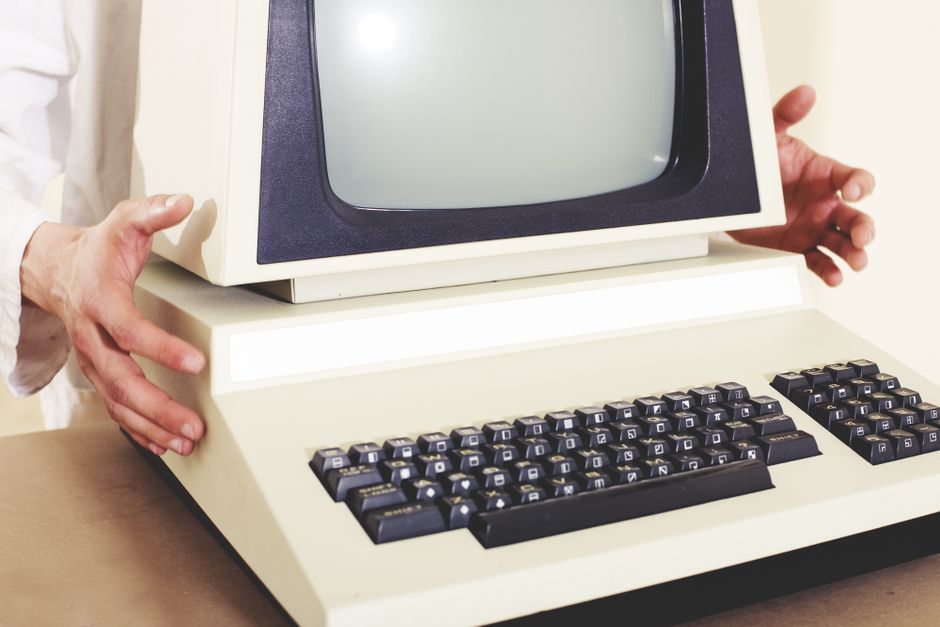
January 3, 1977. Apple Computer. Officially a company. Wozniak? All his juice went into the Apple II. His next big thing. His engineering peak. Truly. Less chips, way more RAM. Crucially, color graphics! Wozniak cracked it, coding color into TV signals. Color screen. At basically zero extra cost. Changed everything.
But then, big fight with Jobs. Ideas clashing. Wozniak wanted it open. Eight expansion slots. Users could mess with it. Computer should be free. That was his point. Jobs said no. Absolutely no. Closed system, like a Sony Walkman he loved. Just two slots. Argument got heated. Calm Wozniak? He exploded. “Go find another computer!” he yelled. Jobs knew he needed Wozniak. So he backed off. Took Wozniak’s open, eight-slot system. History showed Wozniak was right. That open design made the Apple II a leader. Years. And another thing: Wozniak, being Wozniak, made those eight slots happen with only two chips. Not FORTY. Typical.
April 16, 1977. West Coast Computer Faire. Apple II showed up. Next to competitors like MITS, IBM, Commodore? Apple II glowed. First PC with a keyboard. Built-in BASIC. Color graphics. Amazing. Orders poured in. Apple I was a test. Apple II? This was the game changer. The real deal.
- Wozniak again. Front and center engineer. Cassette players were for data storage then. Slow. Super unreliable. Ugh. So he designed the Disk II floppy drive. Just for the Apple II. Again, five chips. Competitors needed fifty. Wild. Moved hardware stuff to software. Cheaper. Faster. Boom. They called him “Digital Mozart” for this. Fitting, right?
And then, the killer app. Holy cow. 1979: Dan Bricklin and Bob Frankston made VisiCalc for Apple II. First electronic spreadsheet. Ever. Revolutionary for businesses. Yeah. One number changes? Whole table updates automatically. Seriously, magic. People bought Apple machines just for VisiCalc. Not a toy anymore. Crucial business tool. Boom.
1980 was big. Apple went public. Huge. Jobs and Wozniak? Multimillionaires, just like that. Overnight. Wozniak still remembered Jobs saying, “More than our parents made their whole lives.” Imagine. But money? Oh, problems. Same year, the Apple III came out. Jobs designed it for business. Everyone waited for it. Anticipation. And get this: Jobs, obsessed with looks, pulled out the cooling fans, vents. Fan noise, he thought, ruined everything for users. Wozniak KNEW this was dumb engineering. But marketers won. Disaster! Computers overheated. Motherboard parts? Disconnected. Apple’s genius solution? “Lift it a few inches. Drop it hard.” Hope the chips popped back into place. Seriously. Apple III? Total flop commercially. So embarrassing. For Wozniak, this was the start of him losing faith in Apple.
Beyond Apple: Justice, Education, and Wozniak’s Enduring Legacy
Then 1981. Wozniak’s life got messed up. Plane crash. He flew his Beechcraft Bonanza. Crashed on takeoff. Bad. Lost teeth. Face and head all messed up. Worst thing? Memory. Couldn’t make new memories. Nada. Got out of the hospital. Zero idea where he was. Who he was. “Reset button in my head got pressed,” he said. Rumor has it, Apple II games helped his memory come back. Wild. And another thing: The accident? An escape. He took time off from Apple. Tired of the engineering grind and company fights.
Cleaning up after the crash, Wozniak decided. Finish his degree. Back to Berkeley, late 1981. But as “Rocky Raccoon Clark.” Didn’t want to be recognized. And he studied psychology. How the brain, memory work. Next to engineering. Wild, huh?
Also, Wozniak got into music and fun. Put on these huge US Festivals. ’82, ’83. Tech and rock music, together. Neat. Lost millions, though. Didn’t care. He had a blast.
Returned to Apple in ’83. Everything changed by then. For real. Jobs was running the Mac project. Split the company: Mac vs. Apple II. Two different groups. Jobs? Reportedly trashed Wozniak’s team. Called them dinosaurs. Even though Apple II made 85% of company money! Crazy. Macintosh launched huge in ’84. Revolutionary graphics, mouse. Big show. But sales sucked. Not what Jobs expected. Wozniak publicly blasted Jobs’ choices. That Macintosh closed box and measly RAM? Screwed up the system.
1985 came. Wozniak drew a line. Apple? Wrong way for five years, he thought. Just wanted to be a free engineer. Not some company puppet. So he left Apple in early ’85. Started CL9, his own remote-control company. Boom. But here’s a kicker: Jobs got fired. Wozniak? Never really left. Still on Apple’s employee list today. They say he gets fifty bucks a week. Symbolic. Shows his heart’s still with Apple, kinda.
Wozniak’s money rules? As weird as his engineering. No surprise. Apple goes public. Jobs, being Jobs, famously stiffed most early employees on shares. Wozniak saw it as totally unfair. And another thing: No obligation. None at all. He just gave away about $10 million in shares. To almost eighty Apple employees. His own shares! Called the “Wozniak Plan” or “VS Plan.” Justice. Not just money. That was him.
After Apple, Wozniak taught. His dream! Computer lessons for elementary schoolers. Made them love tech, you know? Supported groups like the EFF too. Fighting for digital rights. Good stuff. The 2000s? You’d see him dancing on Dancing with the Stars. Playing Segway Polo. Or just hanging out at tech events. Everywhere. Wild. His name pops up with crypto and other risky money things sometimes. But Wozniak? Always kept his distance. Smart move. He’s even called out movies about him. Like that Ashton Kutcher Jobs film? Said it got Steve Jobs all wrong. Claimed Jobs “only wanted money, not to save the world.” Direct, right?
2023: Mild stroke in Mexico. Still, Wozniak’s energy? Not dimmed. Nope. He’s now Serbian AND Polish. And started Privateer Space. That’s a company trying to clean up space junk. Still, he’s a huge fan of open tech, see-through tech, tech you can fix. No locked walls for him.
Wozniak? Apple’s heart. Its honest voice. Jobs was Apple’s charming showman, marketing wizard. Okay. But Wozniak? He put soul into the products. Seriously. Made circuits like pure art. A California legend. That’s his legacy. Deserves it.
Frequently Asked Questions
What set Wozniak’s engineering style apart?
His dad, Jerry, who was an engineer at Lockheed. He showed Wozniak electronics wasn’t boring textbook stuff. More like a “magical playground.” That made Wozniak super curious, giving him this unusual, artistic way of building circuits. Think simple. Few parts. Genius.
Why was that “Blue Box” thing so important for Wozniak and Jobs?
Okay, so the “Blue Box” was this illegal gadget Wozniak cooked up. It hacked AT&T’s phone system for free worldwide calls. Wozniak thought it was a brilliant prank; Jobs? He saw serious money. That early, risky stunt showed them two kids could take on a giant system with smart tech. Big lesson for Apple’s future, right?
So, why did Wozniak step back from Apple?
Well, he got pretty burnt out on Apple’s direction. Especially after the Apple III flopped. He felt they cared more about looks and selling stuff than good engineering. Plus, he wasn’t happy with Jobs wanting a closed system; Wozniak liked open tech, for users to mess with. He just wanted to be a free engineer, not a corporate guy. Left active duty in ’85. But, sweet detail, he still gets paid like fifty bucks a week. Kept a symbolic link.