California Geological Wonders: Earth’s Wild Land Creation!
Ground under your feet static? Nah. Think again. Earth’s sheer geological oomph can totally reshape whole landscapes overnight, reminding us that even our big, beautiful California Geological Wonders are just part of some constantly churning stage. Forget millions of years. Sometimes, land just… appears. Seriously, sailors have seen it themselves, getting a front-row seat to the planet’s restless, creative vibe. Wild stuff.
Back in 2006, a yacht log reported brownish blobs in the water near Tonga. Stretched for miles! What looked precisely like an oil spill quickly morphed into something wild: a floating shoreline. Like the Sahara, but on water. Its sandy “dunes” actually moved with the ocean waves. And another thing: years later, in 2019, another boat crew woke up to strange noises, only to find themselves surrounded by a 15-centimeter thick layer of floating rock. Took them six hours to sail through that enormous, shifting mass. Some pieces? Big as a human head.
But then, just four days after that 2019 sighting, satellite images from Landsat 8 confirmed it. Open ocean just weeks prior? Nope. A massive new island, roughly 150 square kilometers, had popped right up. Imagine a chunk of land the size of the Kapıdağ Peninsula just… appearing overnight in the middle of San Francisco Bay. That’s the kinda rapid geological change we’re talking about, right here.
Earth’s Always Moving. Seriously
These crazy formations aren’t just Pacific Ocean weirdness. Because they’re a sharp jab, reminding us of the same powerful forces banging around under California. Our state? Famous for earthquakes. Also, it’s got a great volcanic past. Geological shifts are far from slow. They can happen instantly, fueled by volcanic eruptions. Boom!
Underwater, volcanoes are erupting all the time. When super hot lava hits the super cold deep-sea water, it chills out fast, forming a unique, airy rock: pumice. This stuff? It’s the ONLY rock light enough to float on water. Ever used a pumice stone for rough skin in the shower? Or seen it in plant pots? That same lightweight, airy rock is SUPER important for these new land formations. And it’s a huge deal for knowing how landscapes evolve, even hitting areas like the Ring of Fire right off our coast.
Pumice Rafts: Ocean Ferries for Wildlife
For centuries, sailors chatted about “ghost islands.” Landmasses that showed up on maps – Captain James Cook even charted the famous Sandy Island back in 1774 – only to disappear on the next trip. People often brushed these off as map mistakes or tall tales. But it took Australian scientists in 2012 to finally show Sandy Island didn’t exist where it was charted. What Cook and others probably saw? A massive, floating pumice raft.
And another thing: these aren’t just cool geology facts. They’re vital pathways for nature. That enormous pumice raft from 2019, too unstable to become an island itself, just drifted for months straight towards Australia. Scientists figure it reached the Great Barrier Reef, carrying zillions of marine organisms—algae, mollusks, all sorts of clinging things—on its rough surface. This actually helps bring back marine life in places that need it. Simply, an ocean ferry for biodiversity. A concept with big implications for all the diverse creatures chilling off California’s own coast.
Get to Know California’s Volcanoes!
Island making? Not some one-off thing. It’s a natural cycle, happens roughly every five years. The Kingdom of Tonga, for example, scored its 177th island, Hunga Tonga-Hunga Ha’apai, in 2015. Born from an underwater volcano. This new land became like an outdoor science lab for eggheads studying how planets form and where life starts. So cool!
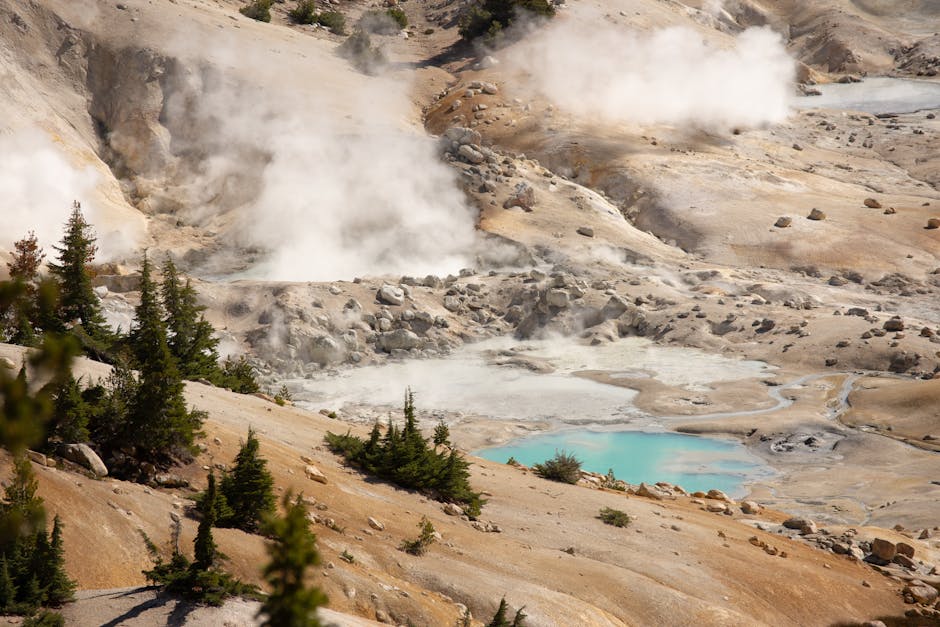
Because this rapid birth and shake-up, even if on a different scale, mirrors the forces that carved out California’s own volcanic parks. Places like Lassen Volcanic National Park and the Long Valley Caldera? Their epic scenery comes from similar, super-intense geological stuff. These events highlight the dynamic forces always at play, shaping mountains, valleys, and even our most beautiful spots.
Volcanoes Aren’t Just Smashy! They Build Too
We usually link volcanoes with destruction and serious chaos. Ash. Lava. Danger, right? But these powerful happenings are also acts of creation. They pop out new land, contributing to the planet’s always-changing map and growing unique ecosystems. Look at Surtsey Island, near Iceland. Popped out of the sea in 1963. Now, over 60 years later? This 1.3 square kilometer island, topping out at 155 meters, hosts 69 plant species. About five new ones show up yearly! Birds are usually the carriers.
And the fertility of pumice? Big role here. Its porous structure holds both air and water. Perfect for plants to grow. So, what looks like a crazy, destructive eruption, is, in actual fact, often the start of new life and fresh land. A powerful testament to creation. Reflects what happened way back in California’s own geological history.
Old Wonders, New Tech
For thousands of years, these sudden appearances and disappearances were total mysteries. Half-truths, legends. They just were. But now, satellite technology lets us track these geological births day by day. We can watch as new islands form and grow. Real-time data! Not just helpful for Earth, either.
Because the insights we get from checking out these fast-forming landscapes give us hints about geology on other planets. Like Mars. Scientists compare different features, looking for similar patterns, differences. Trying to figure out if there was past life in old Martian lakes or seas. This mix of ancient wonders and modern science gives us an amazing peek into our planet’s past, present, and what could be for other planets. Reminding us how truly active and alive our Earth – and its California Geological Wonders – really are.
The sailors on the Maiken, figuring out what they saw in 2006, weren’t just charting directions. They saw a volcano erupting two miles away. Spewing lava. Ash. A steaming central crater. They saw a birth. A powerful, jaw-dropping show of pure planetary force. Hard to truly grasp. But it happens.
FAQs
Q: What’s a pumice raft?
A: It’s a big, floating heap of pumice stone. Happens after a volcano blows up underwater. Pumice is a light, airy volcanic rock. It floats.
Q: How fast can new land appear from volcanoes?
A: Quickly! We’re talking days or weeks for big land chunks, like islands, after powerful underwater eruptions. Seen roughly 150 square kilometers of new land pop up in just a few days!
Q: Can these floating pumice rafts mess with ecosystems?
A: Yeah. In a good way! They totally act as vital connectors. They can haul tons of marine life—algae, mollusks, other creatures—across huge ocean distances. Potentially helps regenerate, or bring back, biodiversity in spots like coral reefs when they finally break apart and drop their cargo.