The Doomsday Clock: Are We Seriously Close to Global Disaster?
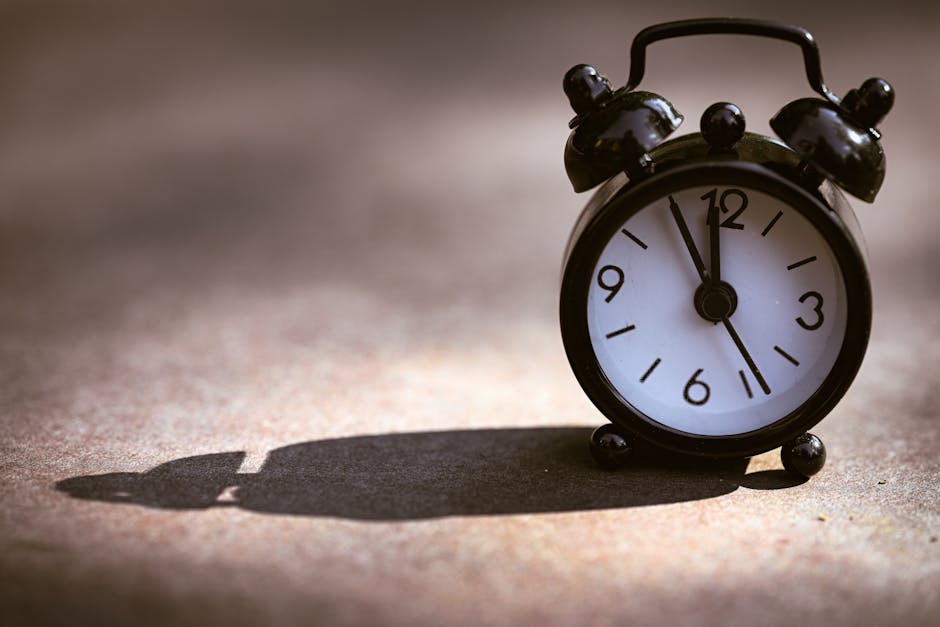
Ever wonder how close we are to, well, the ultimate global meltdown? Not just a bad day at the beach, but a full-blown, planet-altering catastrophe? Seriously. Forget your usual chill vibes, because a bunch of super smart folks have been tracking humanity’s grim progress toward self-destruction for decades. They call it the Doomsday Clock. And another thing: the ticker isn’t looking good.
The Doomsday Clock: A Shout-Out Warning
Born right after the Manhattan Project blew up, this symbolic clock was set up by the Bulletin of the Atomic Scientists. We’re talking Nobel laureates. Engineers. Scientific heavyweights like Albert Einstein and J. Robert Oppenheimer — the very minds who started us on this atomic age path. Their mission? To warn us. To sound the alarm way back in 1945 when the atom bomb first birthed humanity’s potential to utterly destroy itself. Artist Martyl designed the clock face. It showed up first on their magazine cover in 1947.
From Nuclear Fears to Climate Mess and Beyond
First up? Nuclear war. A terrifying prospect that could wipe us all out with a single flash. But as time marched on, so did the threats. Then 2007 rolled around, and guess what? Climate change. A new, equally chilling worry. The planet heating up, weather going haywire – it became as scary as a mushroom cloud. And another thing: by 2018, the list expanded again, including disruptive technologies like artificial intelligence, nasty cyber warfare, making new life forms (synthetic biology), and the haunting specter of bioweapons. Turns out, we’re hella creative when it comes to finding new ways to endanger ourselves. Amazing, right?
A Flickering Flame: The Clock’s Wild Ride
The clock’s hands, set initially at seven minutes to midnight in 1947, have swung wildly. Twenty-five adjustments since then. Big world upsets, major science stuff, environmental crises. All of it pushed that grim progress. The Soviet Union’s first atomic bomb test in 1949 nudged it closer. Terrifying hydrogen bomb tests by the US and USSR in 1953? We were at a mere two minutes to midnight. Just two.
But the clock has swung backwards too. Cooperation between the US and Soviets in 1960, especially after realizing H-bombs meant we all die, shot it back to twelve minutes. The Strategic Arms Limitation Treaty in 1972 further eased tensions. Twelve minutes again. And get this: humanity was most relaxed in 1991. A comfortable seventeen minutes to midnight. Thanks to the START I treaty and the whole Soviet Union breaking up. Phew.
However, the peace didn’t last. India and Pakistan doing nuclear tests in 1998? The US pulling out of arms control treaties after 9/11 in 2002? North Korea’s nuclear tests in 2007? All shoved it forward. Because Donald Trump’s nuclear rhetoric in 2017 brought on the first fractional setting: two and a half minutes. Imagine that. Not just minutes, but seconds ticking away.
90 Seconds to Midnight: Here We Are
Right now? The year is 2023, and the clock stands at an unprecedented, heart-stopping 90 seconds to midnight. This is the closest it has ever been. Wild. Current conflicts like the Russia-Ukraine War and the Palestine-Israel conflict? They fuel the fire. Russia’s thinking about ditching nuclear agreements. North Korea’s cranking out more nukes. The whole bioweapons truth came out more because of COVID-19 talks. And the runaway train of AI development. All these things pile up, pushing us ever so close to global catastrophe. It’s a symbol, sure, but it’s a powerful picture of how fragile our existence has become.
Pop Culture’s Loud Tick-Tock
This chilling symbol hasn’t just captivated scientists; it’s etched itself into culture. Everyone knows it. Iron Maiden’s 1984 anthem, “Two Minutes to Midnight,” directly copied the clock. Sting’s music video for “Russians” features it. Its influence is heavily felt throughout the gripping DC Universe gem, “Watchmen.” Even Linkin Park’s album “Minutes to Midnight” and the end of their “Shadow of the Day” music video drive home the message. Basically, the clock’s presence in creative works means people see it. As a huge flag-waving warning.
Technology’s Tricky Side
We’re living in an era of unbelievable technological advancement. Getting your hands on raw materials and tools? Easier than ever. This is amazing, yes. But it also means that in the wrong hands, with enough time and resources, individuals could weaponize simple tech. Turn it into instruments of mass destruction. That ease of causing trouble, combined with increasing international tension and the messy struggle for global cooperation on critical issues like climate change and AI governance, makes the threats exponentially more terrifying. A lot scarier.
The Urgent Call for Everyone to Work Together
The Bulletin keeps updating the clock. Not as a literal countdown, mind you, but as an urgent plea. It’s a call to action. Designed to instill a sense of fear. And urgency. To spur humanity to choose wisely. Reports from big shots like the World Economic Forum back this up, pointing to various risks: tech trouble, economic wobbles, climate crisis, demographic shifts, natural disasters. Huge challenges coming in the next decade. Because without international cooperation, without sitting down and hashing things out before it’s too late, we’re just inching closer to a scenario where no one sleeps comfortably. Anywhere on Earth. We need a fair global order, and we need it yesterday.
Frequently Asked Questions
Q: So, who actually made this Doomsday Clock?
A: The Bulletin of the Atomic Scientists did it. Think Manhattan Project engineers and Nobel laureates like Albert Einstein and J. Robert Oppenheimer. Real brainy crew.
Q: What kind of bad stuff does the Doomsday Clock track now?
A: Originally focused on nuclear war. But now? Climate change, disruptive technologies like artificial intelligence, cyber warfare, synthetic biology, and biological warfare. All the fun stuff.
Q: How close did we get? Like, ever?
A: In 2023, the Doomsday Clock was set at 90 seconds to midnight. That’s the closest it has ever been. Seriously urgent global challenges.